
Standing Among History: Stories, Objects, and the Space Between
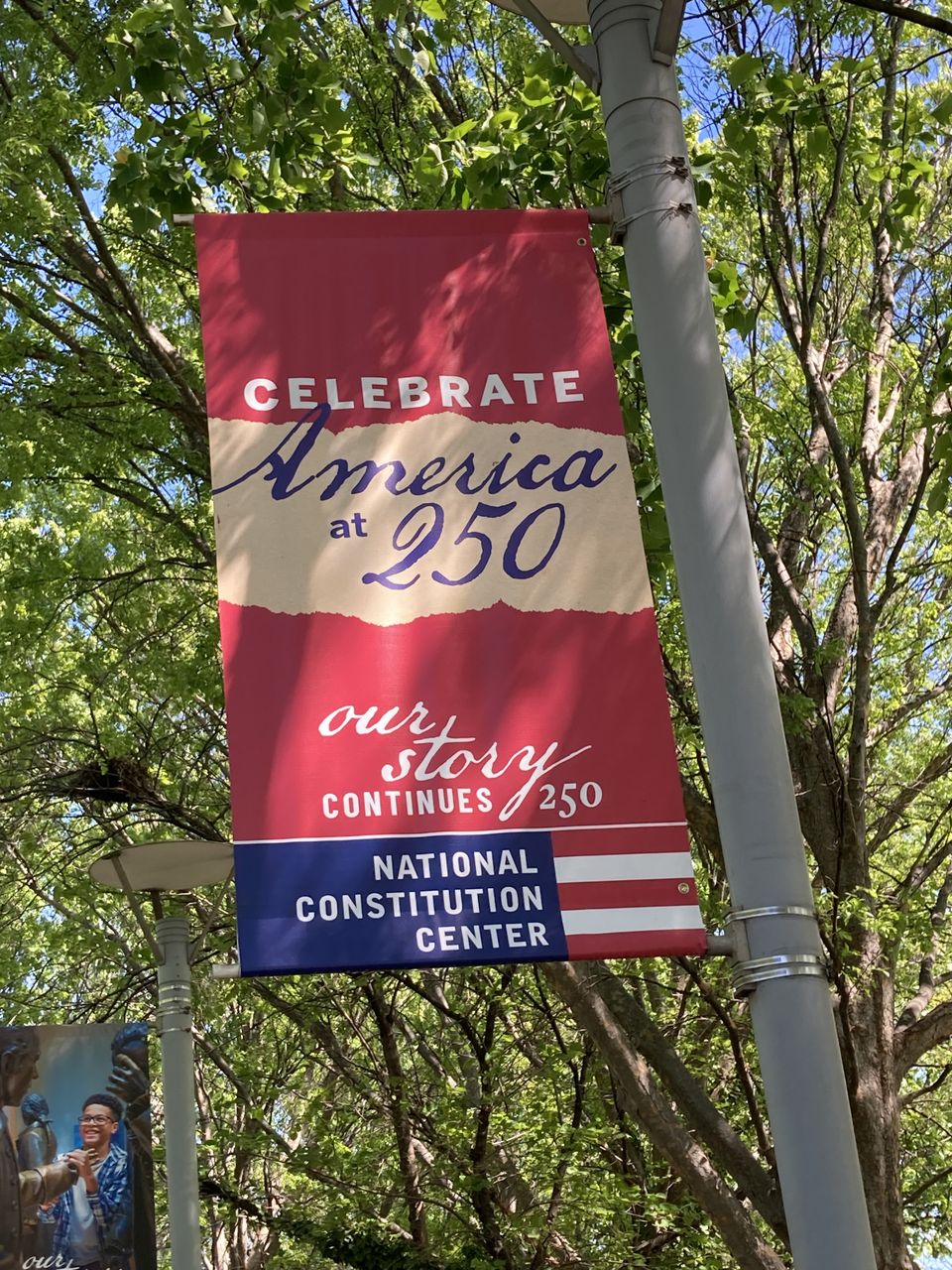
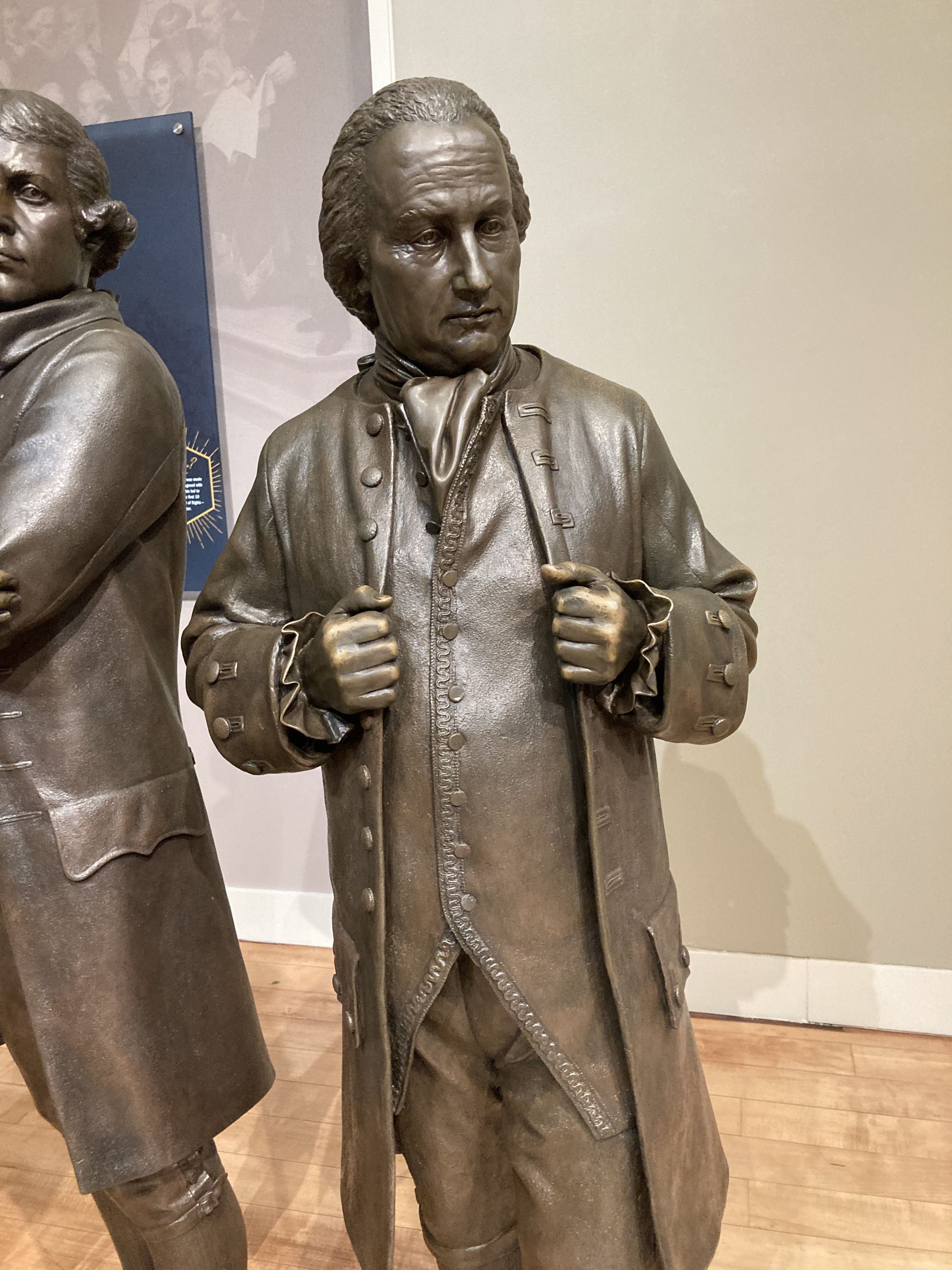
Walking into Signers’ Hall, I found myself surrounded by the life-size bronze figures of the signers of the American Constitution. The room felt alive, as I was standing among the signers, not just looking at them from behind a rope. I was taking in the height and size and facial expressions of each of these historic men, accurate to the highest degree possible. This is what museum storytelling looks like when it’s done right. It is immersive, emotional, and unforgettable. Even as a museum professional, I found myself drawn into the National Constitution Center and genuinely moved.
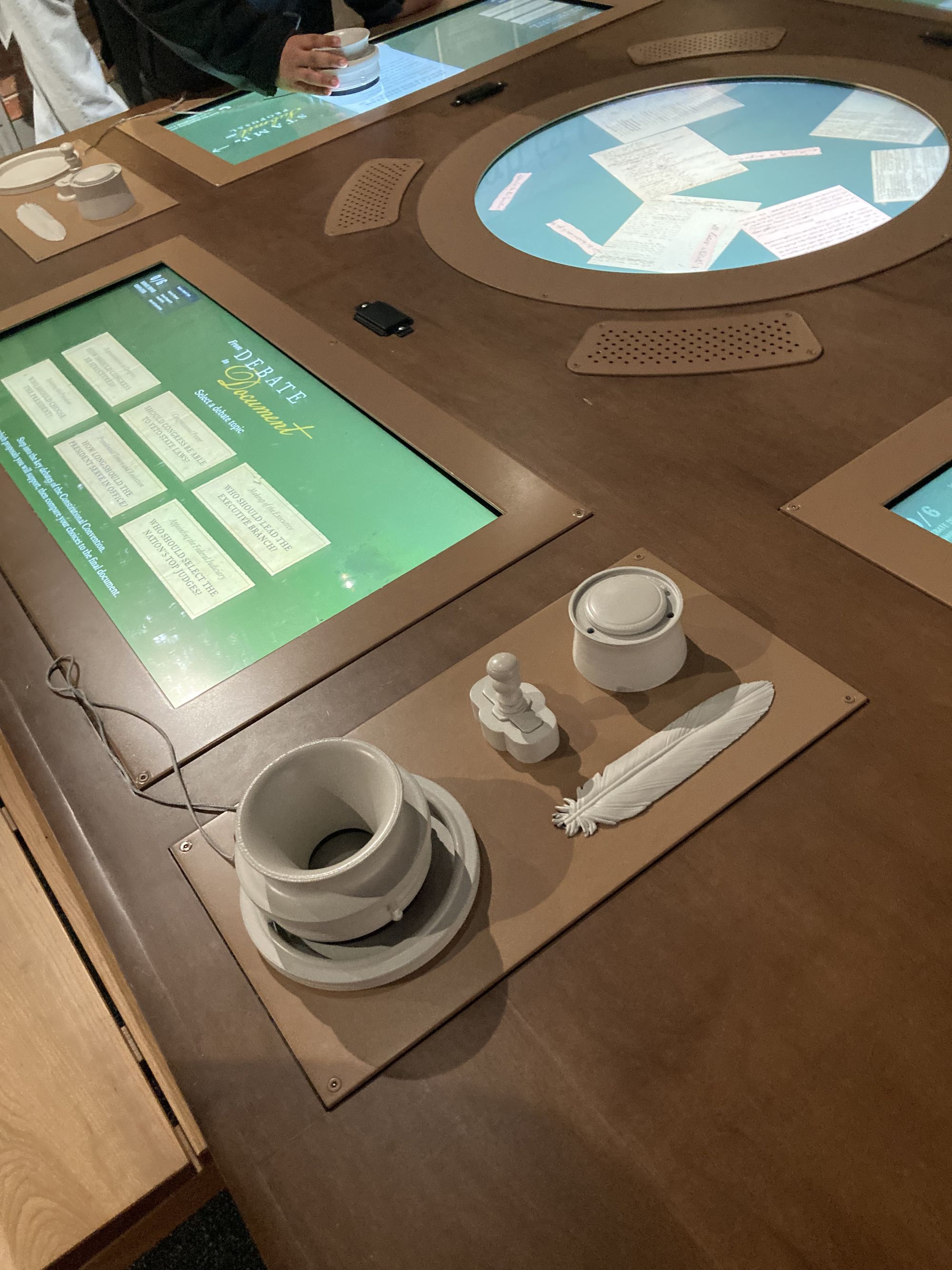
The exhibits at the museum were beautifully laid out, with a few standing out to me for their content, design, and immersion. A special exhibit for America 250, America’s Founding was an amazing example of an exhibit done right. The storytelling wasn’t just facts on a wall. It pulled me in and invited me to learn more. It started with a brief display on the causes of the American Revolution, walked me through the war for independence, and then set me on the path to learn more about the Constitution with just the right amount of context. The objects were displayed with intention and information, not crammed or competing for my attention. The information delivered in a way that felt layered and accessible, not overwhelming. The immersive elements, such as the From Debate to Document display, allowed me to feel like I wasn’t just reading about history, I was moving through it.
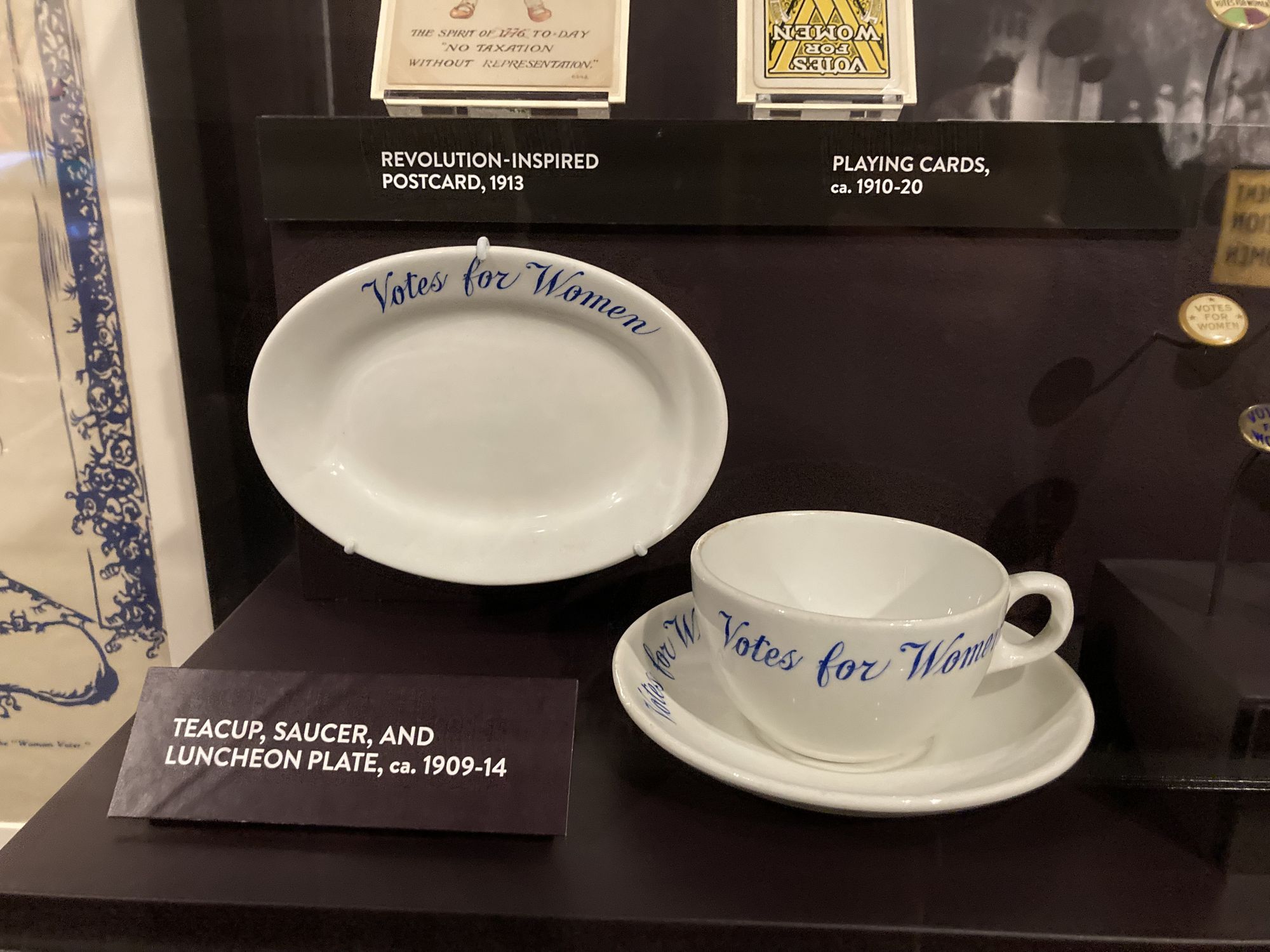
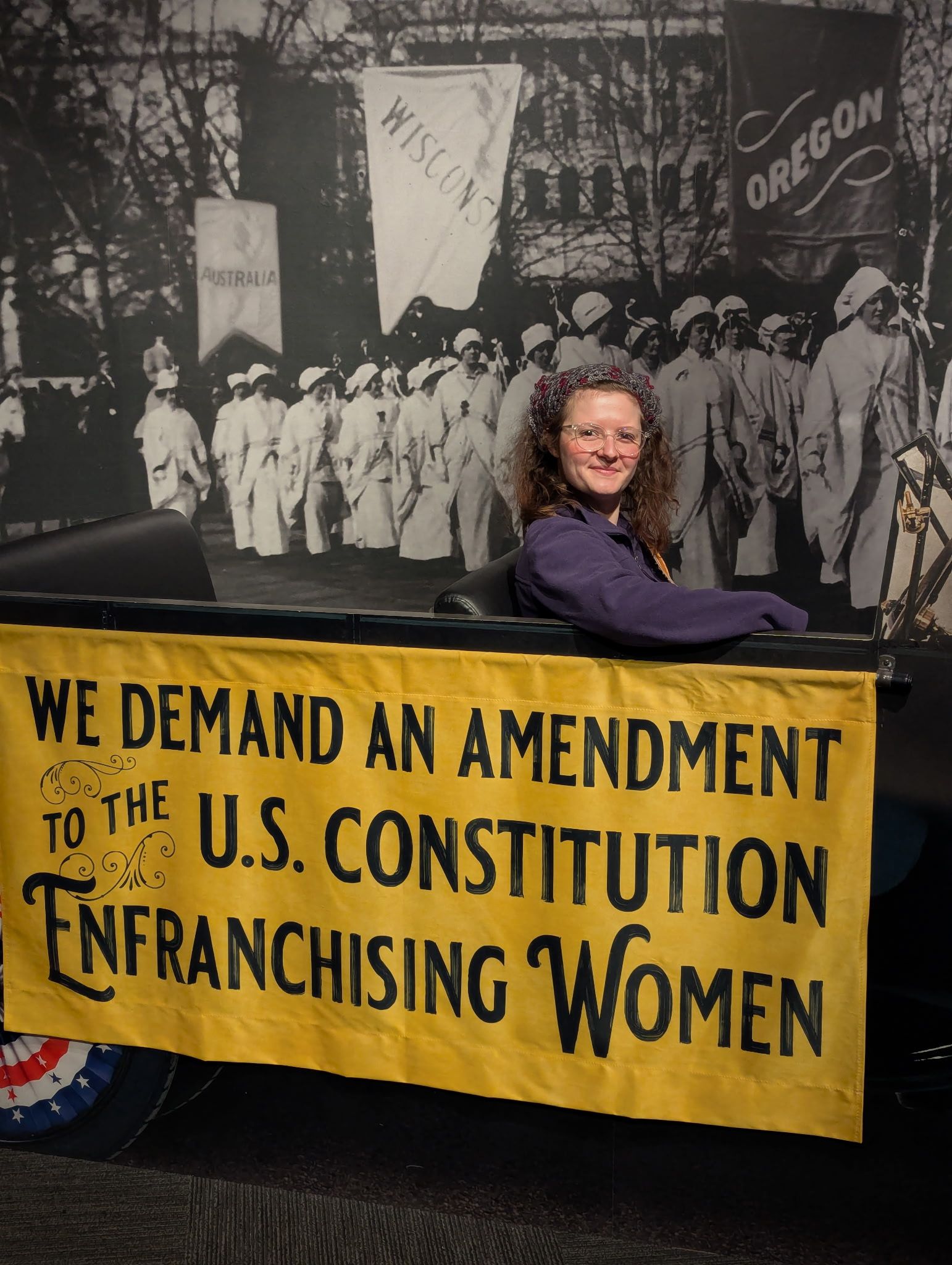
Another exhibit that I enjoyed immensely was The 19th Amendment: How Women Won the Vote. It told the story of the 19th Amendment and the women’s suffrage movement through artifacts, photographs, and the ability to put on a sash and hoist your own sign for the right to vote. The exhibit balanced the big narrative of women’s suffrage with individual voices and specific objects. There was an emotional arc, as I wasn’t just learning dates, I was feeling the stakes and the struggle that has allowed me to exercise my own right to vote.
As a museum professional, I had the opportunity to step back from the visitor experience and look at why these exhibits worked. There was an intentionality of the ways in which artifacts were displayed. Each object had room to breathe. There was a clear structure to the room. I knew the order to follow throughout the gallery, what to look at, and why it mattered. The immersive storytelling experience was phenomenal. The exhibits didn’t just present information; they created an experience. I wasn’t just reading about Valley Forge, I was seeing the flames flicker from the camp. I wasn't reading about the Constitutional Convention; I was standing in the room with the signers, adding my signature to the document. I wasn't just seeing dates about suffrage; I was putting a suffrage sash on and standing next to the picketing women. The way in which content was delivered met everyone’s needs. I could skim for the headlines or go deep for the details; no visitor fatigue from walls of text! Everyone could engage at their own level.The objects acted as anchors: specific, powerful objects grounded the big stories. The exhibits trusted the artifacts to do the work, rather than relying solely on text.
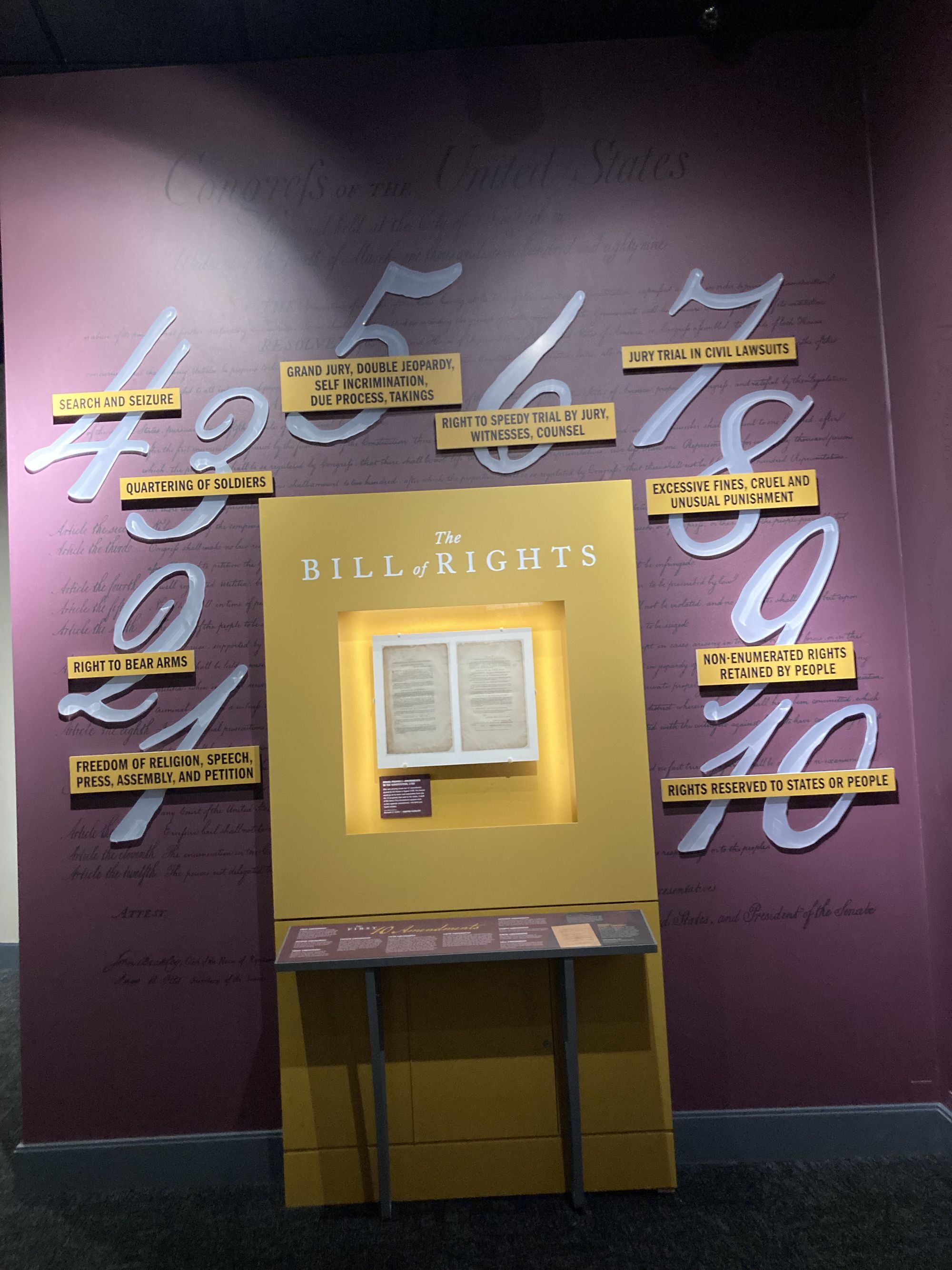
The connection that I felt to the exhibits at this museum will have me talking about it all year. But museums don’t have to be as big as the National Constitution Center to have exhibits that hit home and mean something to visitors! You don’t need bronze statues to be immersive. Immersion is about how you tell the story, not how much it costs or how much space it takes up. A single object with a powerful story and thoughtful placement can be just as impactful. We can choose to highlight less, display better, and in turn, create a connection to a single, meaningful story. The strength of the National Constitution Center wasn’t in showing every object in their collection. It was showing the right things. Small museums may even have the opportunity to do this even more easily because they have smaller collections to curate from and more local stories that mean something uniquely to them. One well-labeled photograph with a punchy story is worth ten clustered together with no identification. We get to think about the emotional arc of our collections and the items in them. What do we want visitors to feel? Let’s start there, not with “what do we have to fill this case?”
If you find yourself in Philadelphia, I cannot recommend enough that you visit the National Constitution Center. It was an amazing experience that I just keep telling people about. The feeling of standing among the signers, feeling the weight of what these men did in a room just like the one I was standing in was an incredible feeling. That’s the power of a great museum experience, and it’s not limited to institutions with huge collections or large budgets. It’s about the connection that a visitor can draw between themselves and the objects that you are encouraging them to care about.Whether you’re rethinking your exhibits, your display strategy, or your entire approach to collections storytelling, I’d love to help. Feel free to reach out at crystal@curatingcollections.com.
All photos are my own.