
Hot Take: Not Everything Belongs on Display
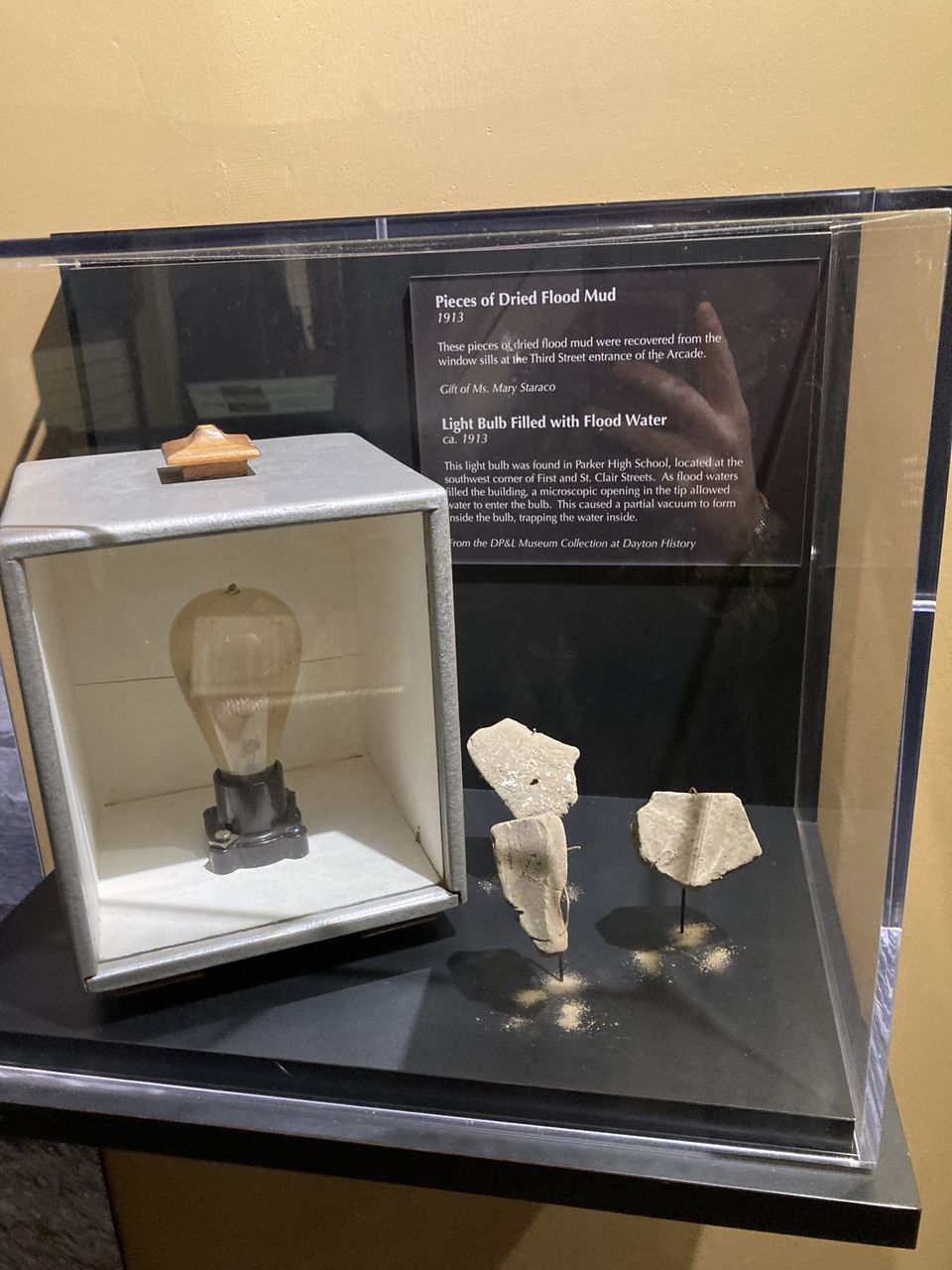
There is something magical about walking into a new museum! It is so exciting to find a place that tells you a bit more about a history that you had no idea about. Allow me to set the scene. You walk into a gorgeous historic home that is now part of a small history museum. Inside, the enthusiasm for the local history is palpable. Every case is full, every wall is covered, every surface holds something that means something to this area. This is so fun! They have some really incredible artifacts and they want people to see them! As you begin to walk through the hall and the first of several rooms, however, it begins to fully dawn on you just how much stuff there is. There is so much to look at. There is so much to read. Not everything has a label, there might not be an incredibly obvious organizational structure. That amazement you felt when you walked in begins to feel more like overwhelm.
There is an unspoken assumption at many small museums that if an artifact is in storage, it is forgotten, and if it is on display, it holds a lot more value. That belief comes from a very real place of expectation. Often, donors want to see their items on display at a museum. Board or community members who equate visible with important voice their opinions loudly that items need to be available for the public to see. There is commonly a very limited, or even nonexistent, amount of storage space that is available. Museums have a genuine love for their collections! They are proud of them, and want to show them off to the communities that they serve. However, display is not the only way to care for an object. Sometimes, the most loving thing you can do is put it away.
It is not always the best thing for a museum to consistently have everything, or almost everything, in their collection on display all the time. I would even argue that could be actively working against the goal and mission of the museum. When every surface is full, nothing stands out; visual fatigue makes it hard to focus on the items we see. Our brains stop processing. A single well-lit, well-labeled object draws people in, but a wall of 40 objects makes their eyes glaze over.When objects get smushed together on display, they lose the context that makes them unique and important. A textile that is next to a tool that is next to a photograph without space or labels, does not allow visitors to know what they’re looking at or why it matters. Additionally, constant display can actually cause irreversible damage to objects. Textiles fade very easily under constant light exposure. Photographs lose all their meaning and significance when they are grouped in massive clusters without proper labeling and identification. Fragile items deteriorate from proximity to other objects, handling, or improper environmental exposure that comes from objects touching or crowding each other. Exhibition can be very risky to historic objects, so the decision of what can, should, and will be on display should not be done with flippancy.
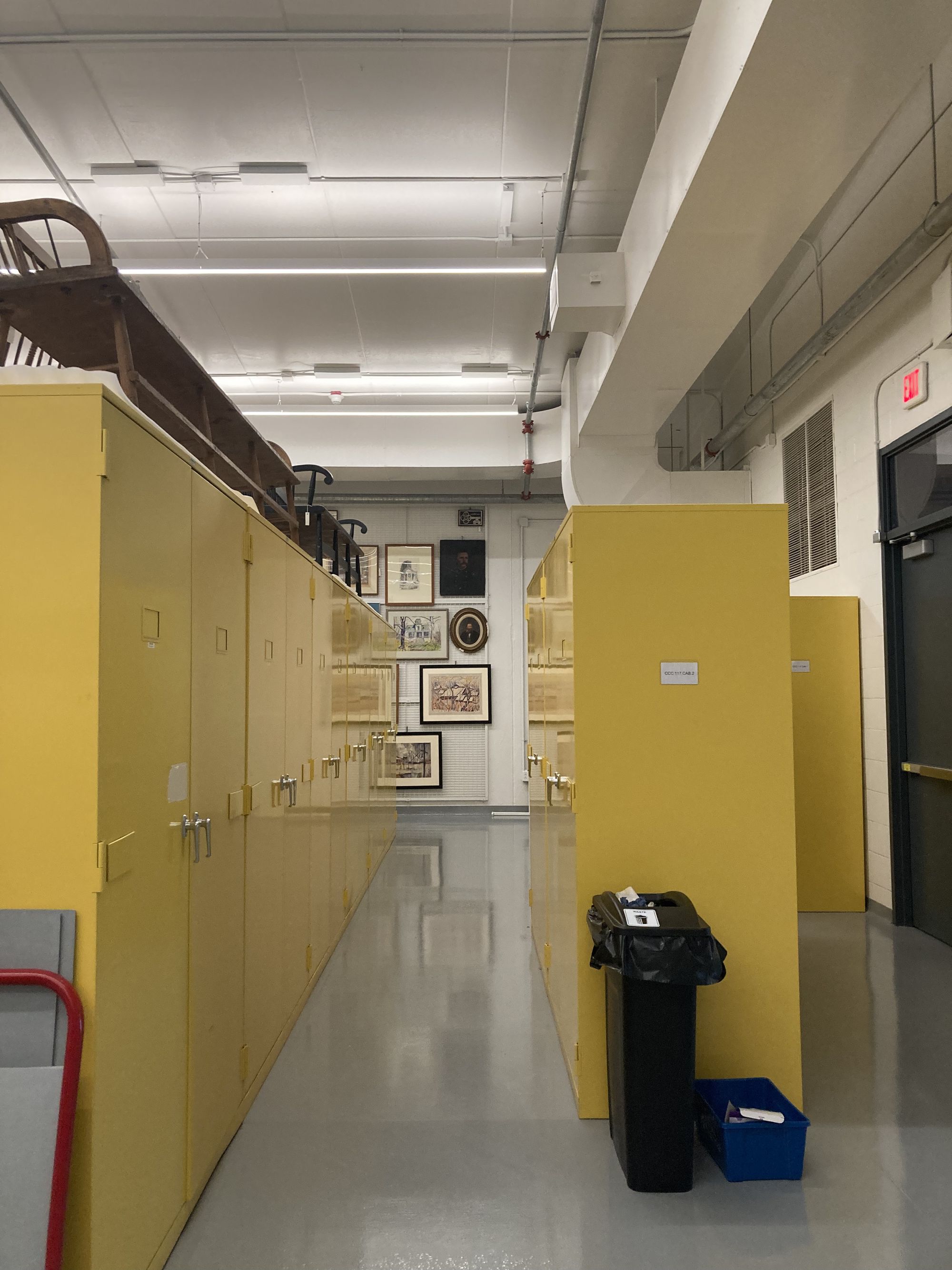
The idea that having an item in storage is somehow neglectful of that item’s importance couldn’t be further from the truth! Storage is preservation. Putting a textile in a dark, climate-controlled environment is an act of care. Choosing to rotate an object off display so it lasts another 100 years is good stewardship of the artifacts in our care. This doesn’t mean some items should never be on display, but it does mean choosing when, how, and for how long. Unfortunately, many small museums don’t have the ideal amount of storage, or any storage at all. That’s not a failure; it’s a challenge to work with, and even small changes can help ensure that an artifact continues to be a valuable part of a collection.
When considering what items should be put on display, I would encourage you to ask three questions. 1. Is this object stable enough for display? Is it light sensitive, fragile, or in a poor condition that would be worsened by being on exhibition? 2. Does this object have enough context to be meaningful on its own? Does it have proper labels, provenance, and a story? If not, it may lose more meaning on a crowded wall than in a well-labeled archival box. 3. Is this the right time, or would this object benefit from rotation? Can it come out seasonally or for a themed exhibit instead? There are a lot of museums out there doing a wonderful job with the collections in their care, and there are a lot of options for better display and preservation that don’t have to break the budget. Rotating displays that allow you to swap a few items every few months to tell new stories are an awesome way to keep artifacts from getting too crowded AND encourage visitors to come back to see new exhibits! Small, simple changes can make a huge difference in the longevity of artifacts, such as turning off lights when the museum is closed, using UV-filtering film on windows, or simply placing objects with more room around them.
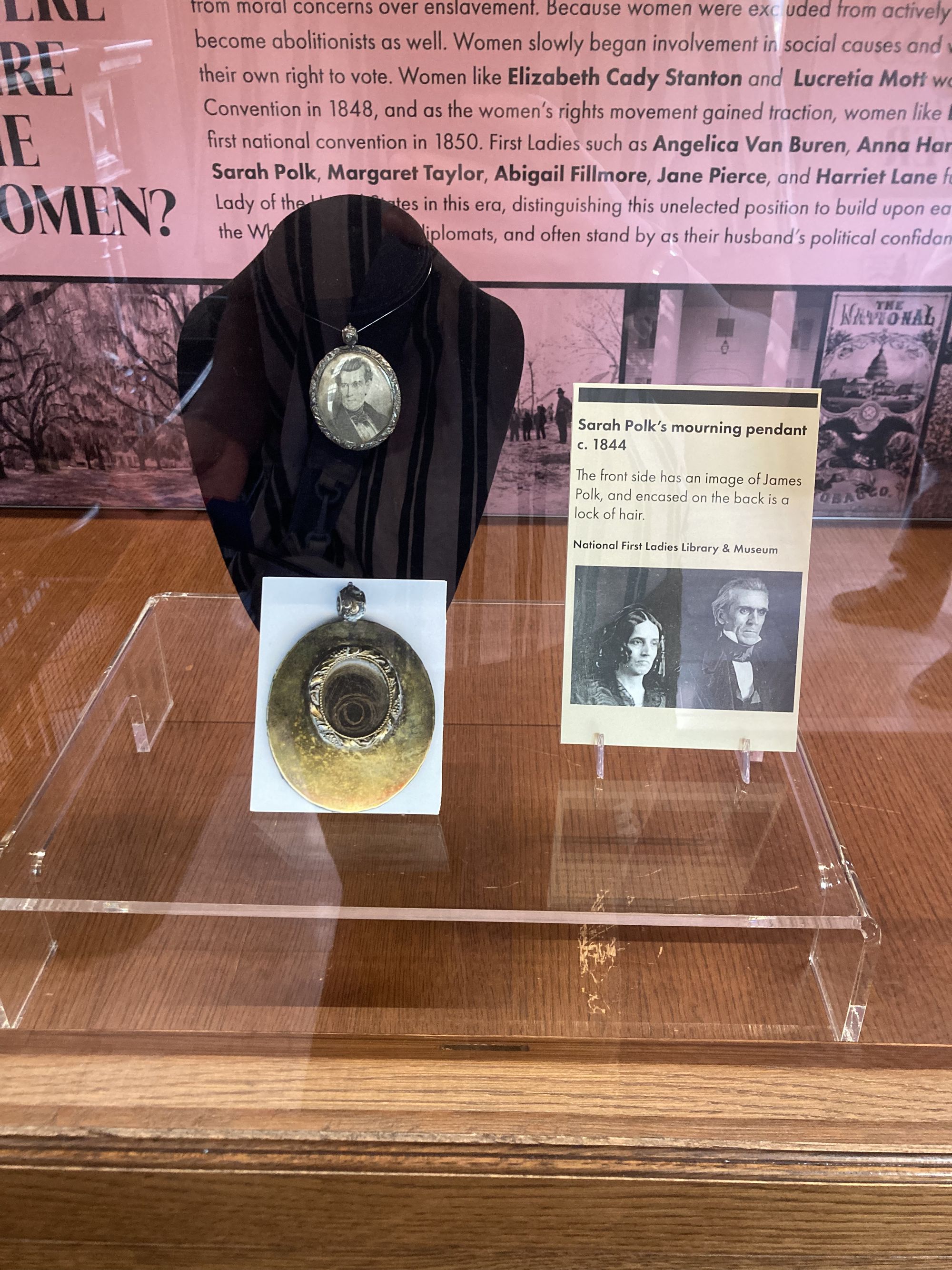
Ensuring that donors understand the preservation mission that museums have is key. Be sure to tell donors that rotation IS a display strategy, not a dismissal of their gift. A quick phrase like: “We rotate items to preserve them so they can be enjoyed for generations.” can go a long way in helping people to understand why items may not be on display all the time.
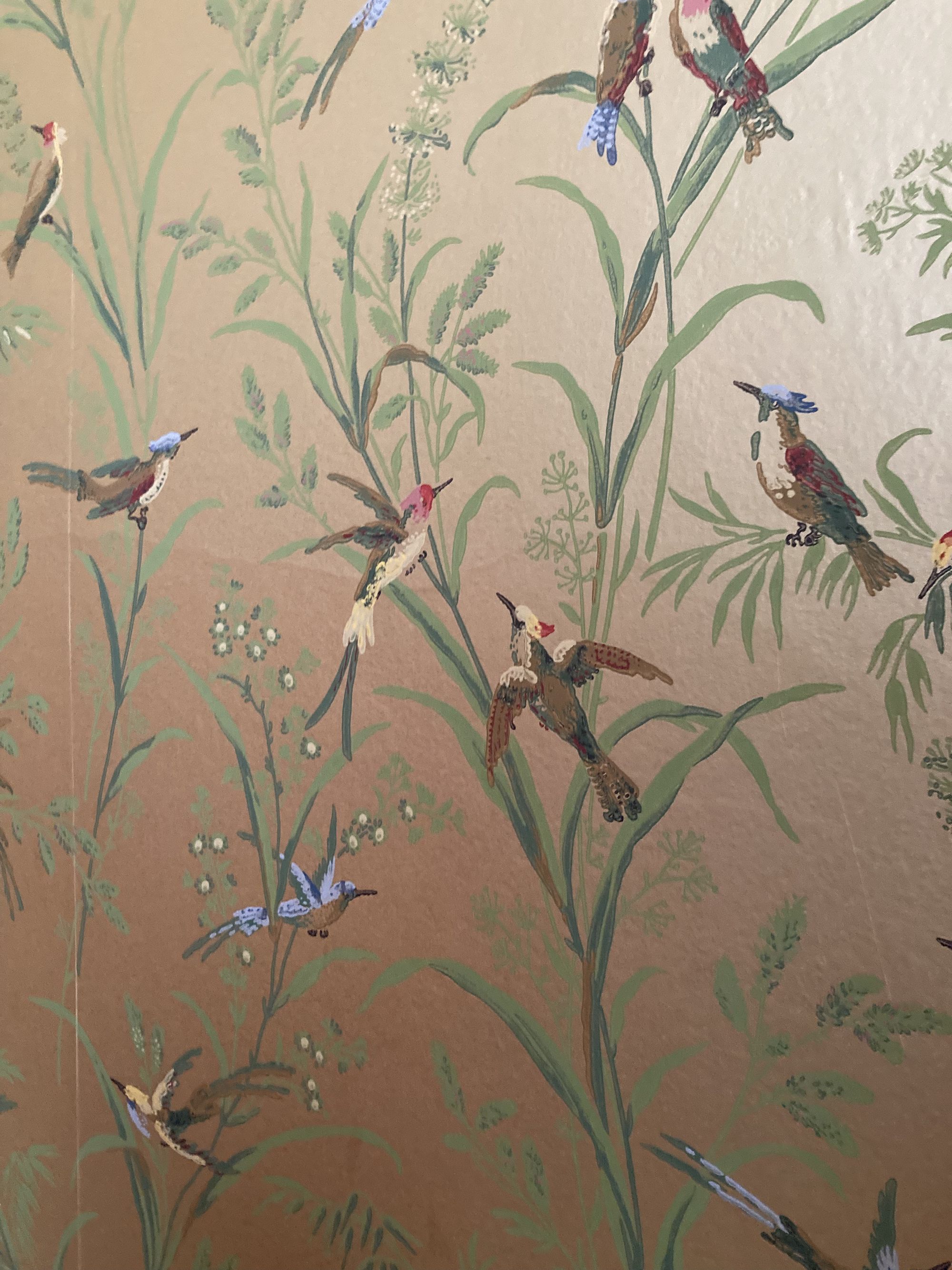
Choosing to put something away is not hiding history. It is protecting it. It is being a good steward of the legacy that museums are trusted to care for so that future generations have the ability to appreciate them too. Having less on display can mean that there is more impact: visitors remember the one object that had room to breathe and a story to tell. If your museum is struggling with overcrowded displays, storage challenges, or deciding what to prioritize, let’s talk. I help small institutions assess their collections, develop display and storage strategies, and create plans that work within real budgets. Reach out at crystal@curatingcollections.com.