More Than a Long Weekend: Names on Walls and the History of Memorial Day
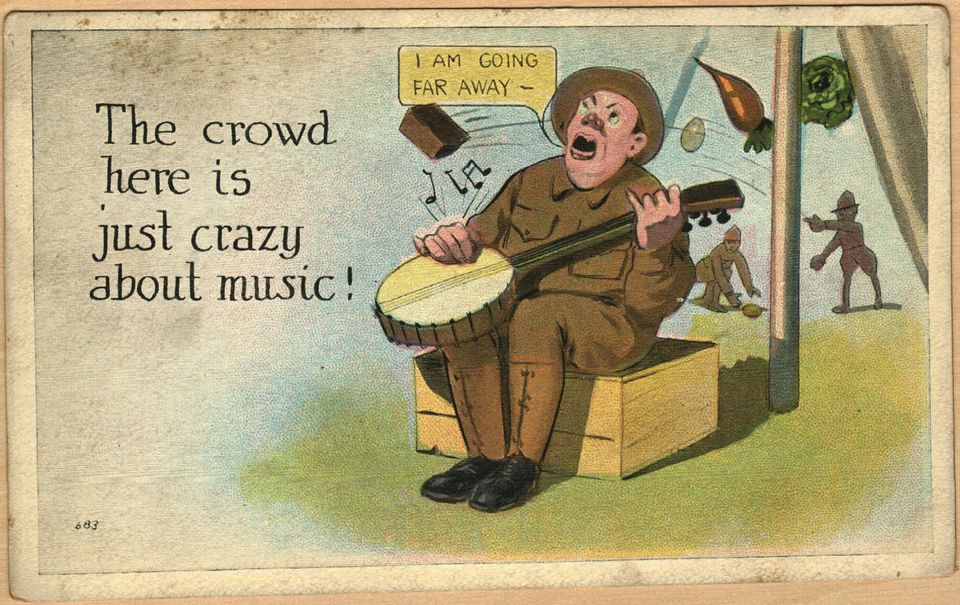
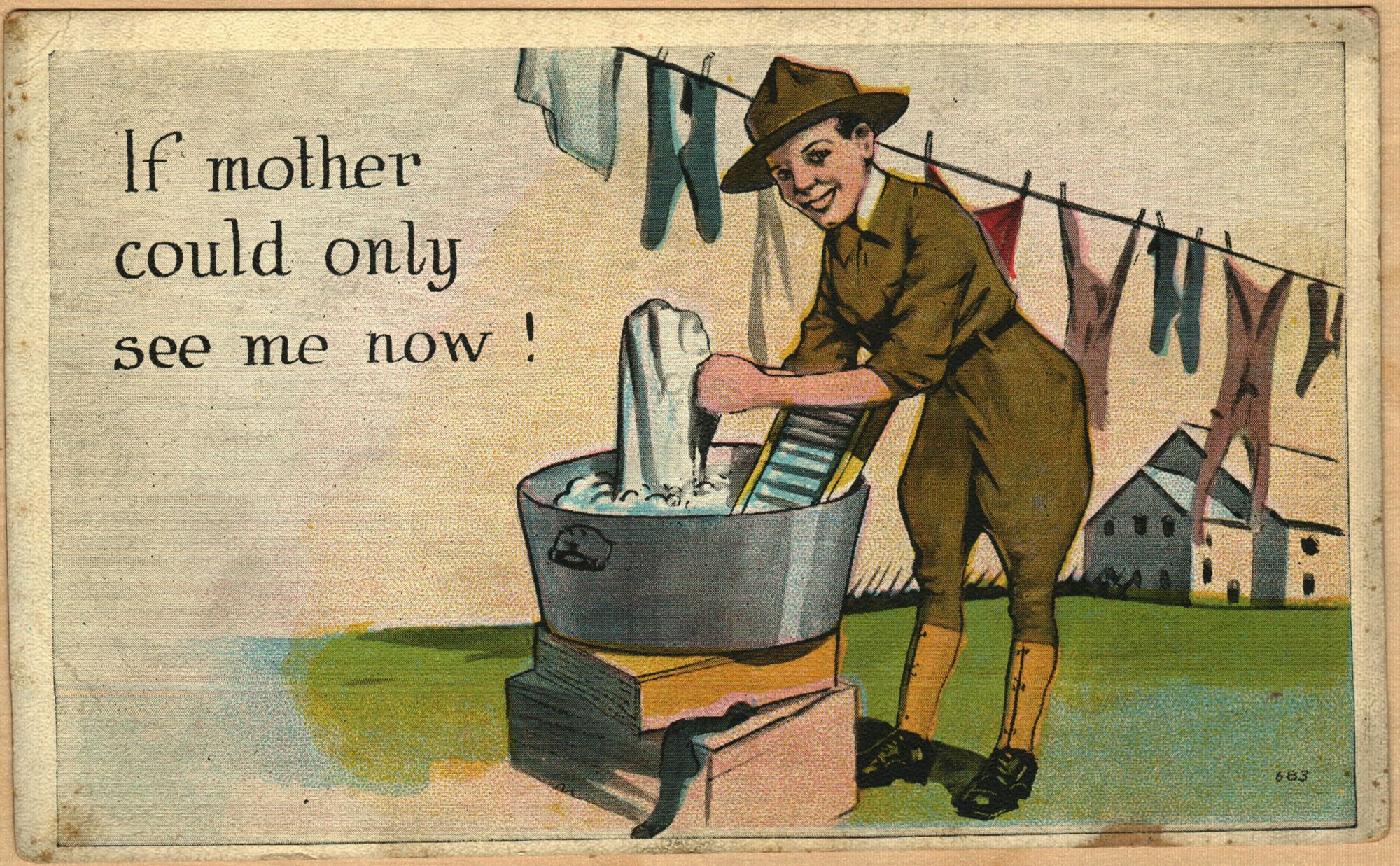
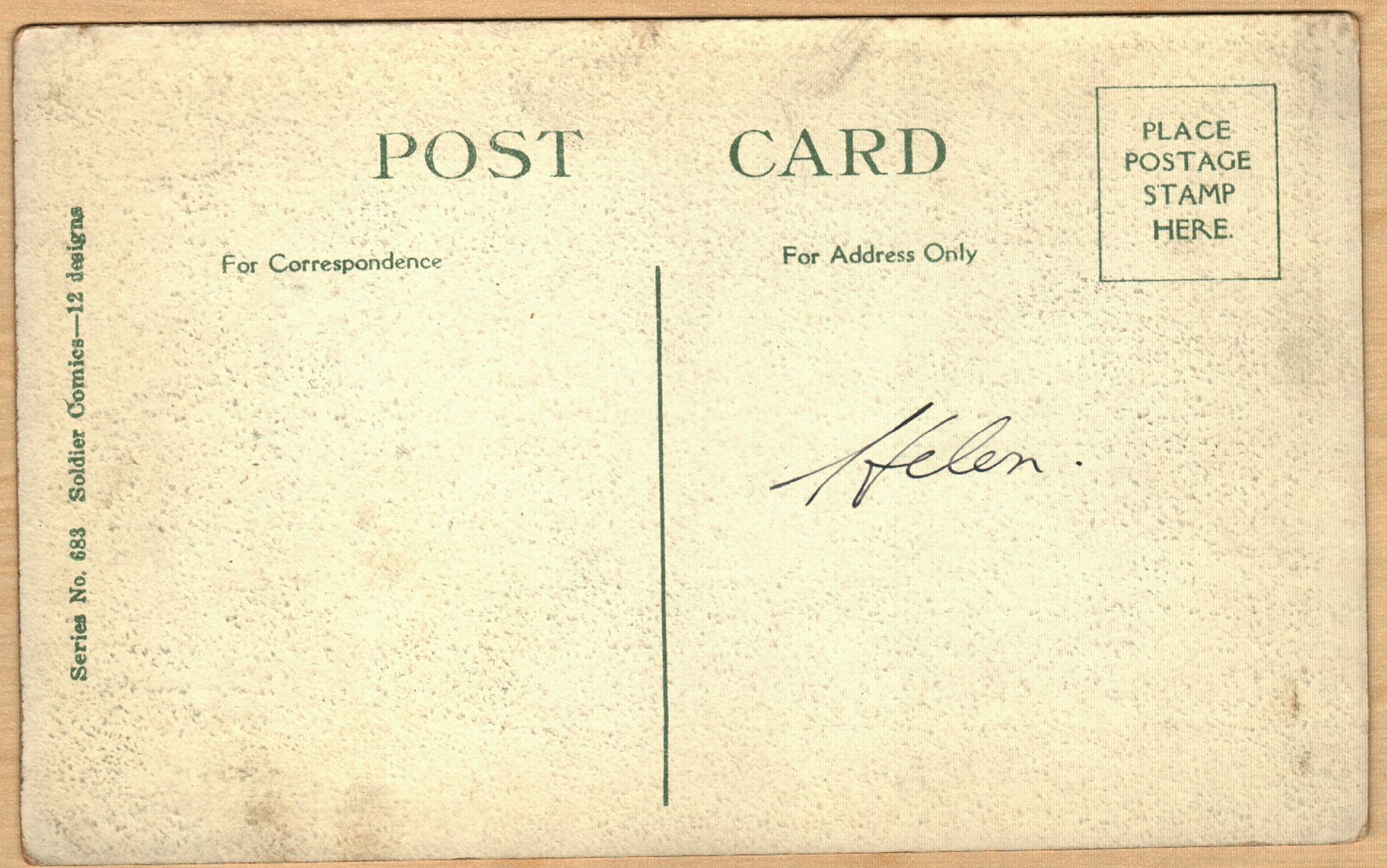
Edward Coon was a man drafted into service for World War I. He served his country in France during a truly grueling and horrendous war. And, he also sent postcards back to his siblings from overseas. The postcards are not long handwritten letters. They’re printed postcards with humorous messages and illustrations about living life in the army, making light of a very difficult overseas war. All that’s handwritten on them is a name. The name of a sibling specifically. Edward sent these cards to both his brothers and sisters. But that name is the only handwritten message on the card. I know who sent them, who they were sent to, and how they’re connected. That name on the card? That’s a relationship. That’s a life reaching out to another life from across an ocean, a sibling sharing a joke. My family has had many members who have served in the nation’s armed forces, and I have had the opportunity to spend my career working for historic sites that focus on the loss of those who have given the last full measure of devotion. That makes Memorial Day an incredibly important holiday to me personally, and having the opportunity to share some of that is an honor that I do not take lightly.
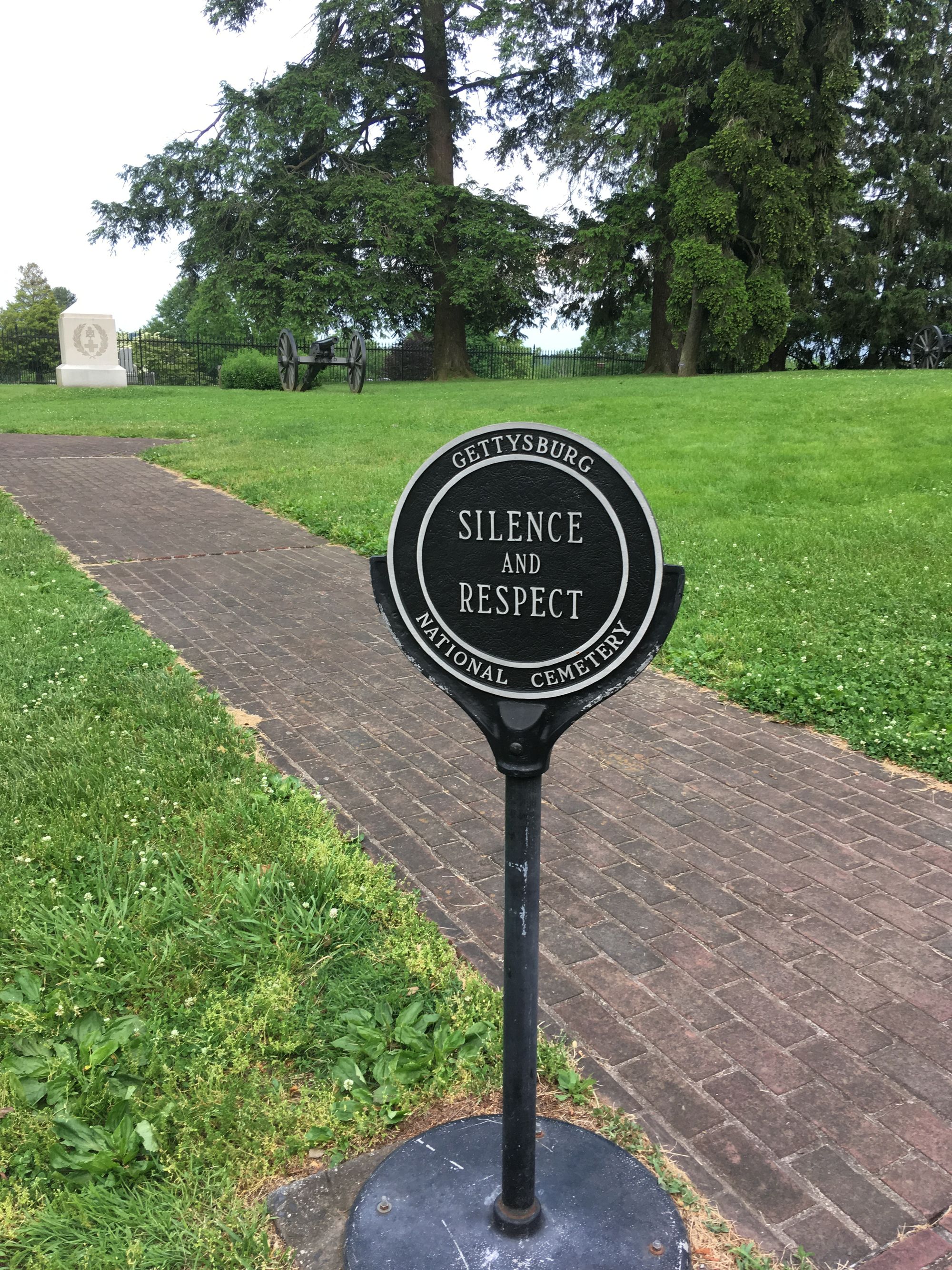
The original name for this holiday was Decoration Day, so named as a day to decorate the graves of the fallen with flowers. The first official observance of Decoration Day was May 30, 1868, with General John A. Logan’s proclamation for decorating Civil War graves at Arlington. It is thought that May was chosen because flowers would be in bloom all across the country, but the practice started before it was official as women in Mississippi were decorating Confederate graves as early as 1866. Several towns claim to be the “birthplace” of Memorial Day. The original intent of the holiday was centered around deeply personal grief, not patriotic spectacle. People walked to cemeteries, placed flowers, and said the names of the dead out loud. Having worked at Gettysburg National Military Park, I had the opportunity to see how tangible that grief still is. The landscape itself is a memorial. Every field and ridge holds the memory of loss that people needed a day to formally honor.
Following the Civil War, Decoration Day gradually expanded to honor the military losses from all American wars. I had another opportunity to work with Andersonville National Historic Site, which sits at the crossroads of this. It was originally a Civil War prison site, it was essentially forced to become a national cemetery from the burials that took place there, and the National Prisoner of War Museum is now located there. The site itself had to evolve from holding one war’s grief to holding the grief of all of them. WWI heightened the scale of the holiday. The losses reached into almost every community in America. Edward was one of the men drafted into that conflict. The name gradually shifted from Decoration Day to Memorial Day, becoming official in 1967. The following year, the Uniform Monday Holiday Act moved Memorial Day to the last Monday in May, creating the “long weekend” and the tension that comes with it. The original date, May 30, was chosen specifically because it didn’t coincide with any particular battle. It was meant to be about the fallen from any conflict, not necessarily the kickoff to summer it has come to be.
What makes the postcards that I talked about at the beginning of this post powerful is the fact that they’re funny. A soldier doing his own laundry. Poking fun at a soldier’s poor singing skills. These were jokes about something mundane. Sent from a war zone, across an ocean, to a sibling back home. It highlights the individual story of Edward when he didn’t write a full letter. That humor is the most human thing about them. He was drafted into one of the most devastating conflicts in history and still found a moment to be lighthearted, to send a laugh home to those he experienced childhood with, and to act like a person and not just a soldier. Edward was a drafted man. He didn’t choose to go. He went because his country called him. And from overseas, he sent his siblings something funny. Just a name on a card, but that name meant, “I’m here. I’m thinking of you. I’m still me.” Across every war, the story is the same: real people with senses of humor and favorite foods and inside jokes and families waiting, who are now names on walls or gravestones. At the Virginia War Memorial, you can see these made physical. They are names etched in stone that belong to real families, real communities. I have personal relationships with people who have their brother or father’s name on that wall. The memorial exists because the Commonwealth needed a place to hold that grief following the next major conflict, World War II.
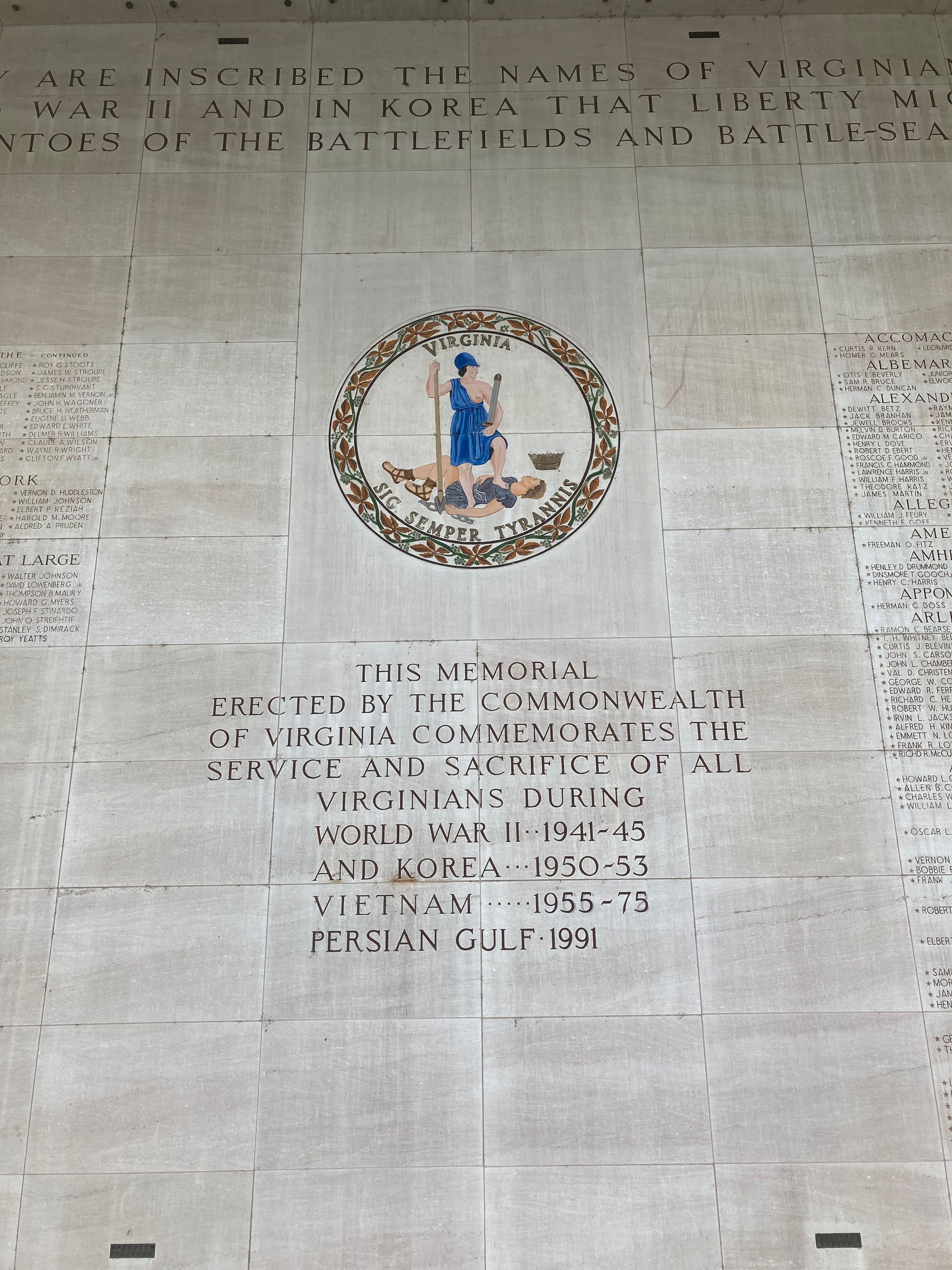
There were over 4.5 million men just like Edward who served in the American military during World War I, with over 2.5 million of them being drafted. They all had families, loved ones, and hometowns that they were trying to return to. And that desire to come home could be seen in the most ordinary human act, simply reaching out, from the most extraordinary circumstances. Memorial Day at its core is about the act of remembering. Saying the names, decorating the graves, holding onto the evidence that these people existed. From Civil War cemeteries to modern memorials, the impulse is the same: we still remember. The holiday evolved, the name changed, the date moved, but the reason it started remains. People died, and the people who loved them needed a day to say it out loud. So while we all enjoy the long weekend, I would urge you to take a moment of silence out of your day, read the name of someone who gave the ultimate sacrifice, and reflect on this unique day we are given to remember these individuals.