
What Historians Love
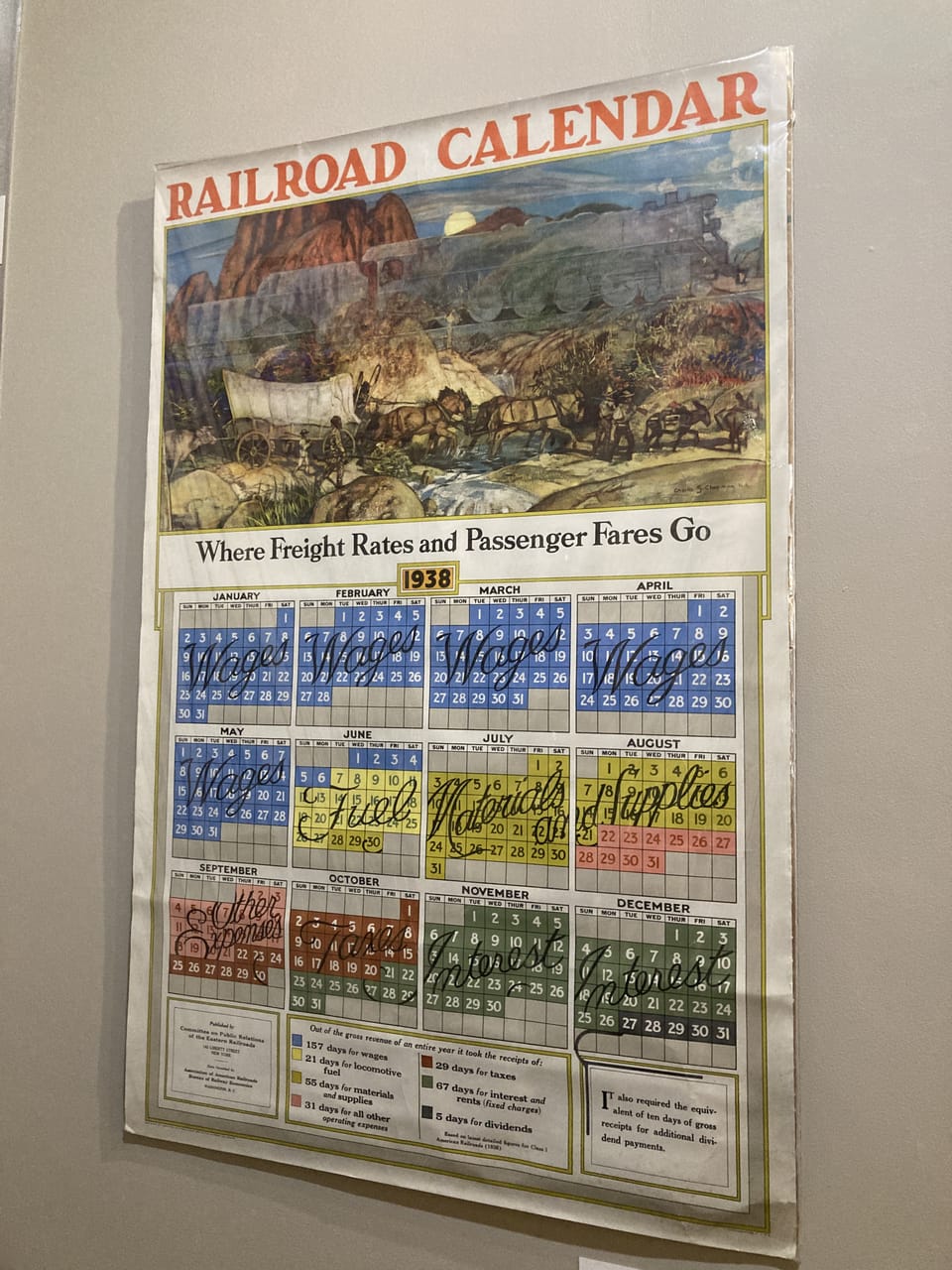
Most people think historians love grand speeches, treaties, and famous portraits. But what do historians really love? The grocery list. The envelope. The scribbled margin note. What is remembered is not always what is saved, and vice versa. The big important items are incredible to have, but without the context around them, they could lose meaning as the years go by. The incredible monument would not hold value without the small manuscript that explains why it is important to a community. The “important document” can lose its importance without the paper scrap that explains it. Historians, especially those working at small sites, local archives, and community institutions, are in love with the ordinary, because the ordinary is where real life lives.
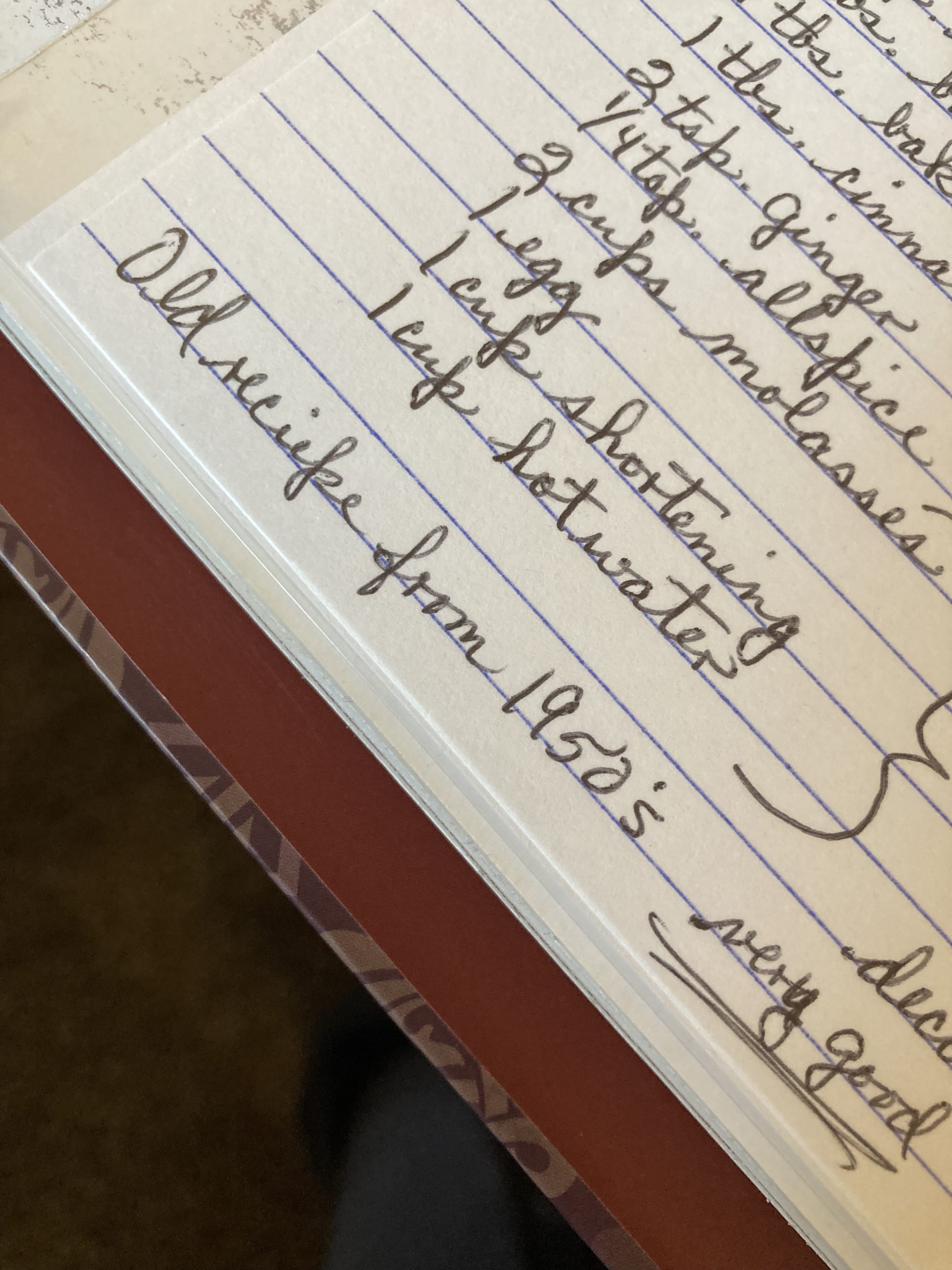
One of my favorite examples of the beauty of the mundane are journals and diaries kept by everyday individuals, those who are not mentioned in history textbooks. The daily record is worth its weight in gold. Historians love them because they can highlight so many incredible pieces of the past. Weather notes inside can establish climate patterns. A casual mention of the neighbors helps to map communities. Repetition in one of these daily journals can reveal routines that help map out everyday life of the past. And silences reveal cultural assumptions – even the things that are not talked about offer value. The power of the unremarkable lies in teaching us more about the day to day lives of the past. The diary that says “Nothing much happened today” matters because it humanizes those people of the past. Small historical sites often hold single-family collections and have artifacts like this at their fingertips. Even “boring” volumes can act as interpretive anchors.
Ordinary photographs also offer historians a wonderful and unique look into the past. Not the posed portraits, but the accidental images or the photos taken outside the studio. Historians love to look for details in photos that can reveal an incredible aspect of the past. They can look for what’s happening in the background, clothing and fashion choices outside of the public eye, signage and advertising on buildings or walls, body language, or what people chose to display in their homes or circles of influence. The family snapshot with laundry visible shows work within the home. The storefront window shows what was selling and how things were being marketed. Interpretation thrives on details visitors might overlook, and highlighting the everyday items that tie to our current world allow people to connect to those subjects of the past.
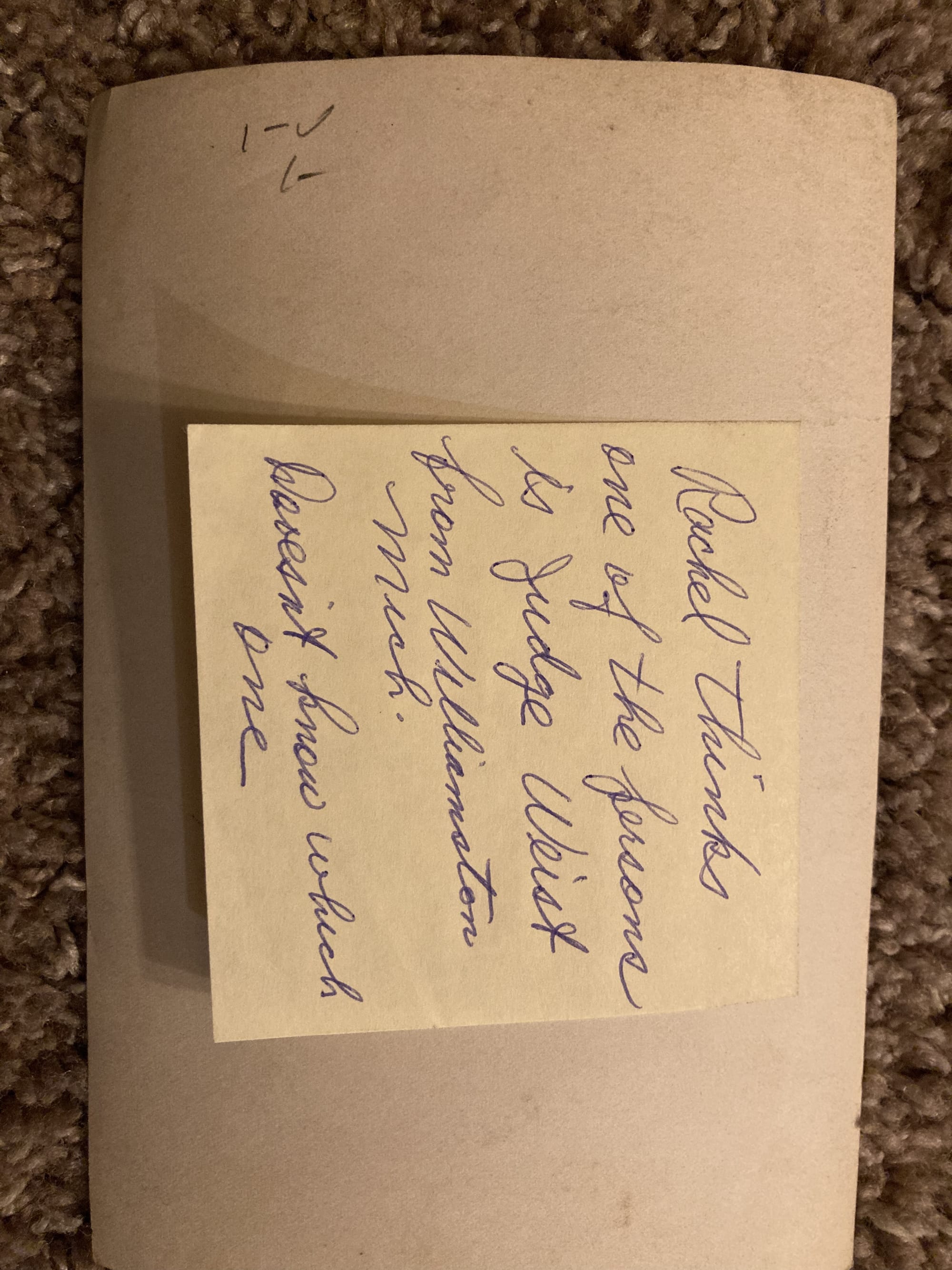
Another item that historians love that might seem a bit odd is the objects around an interesting piece. The envelope of a letter, the margins of a book, the bottom of a ledger. The reason that historians love these details is because the envelope proves a date. The record sleeve with handwritten song lists allows for details without risking a volatile media. The receipt tucked inside a book shows where people could purchase. Margin notes highlight the meaning found in a work of poetry. Context lives in these containers and contextual items. Separation of the item and its context destroys meaning. Keeping things that belong together with their collection allows for archival order that keeps meaning for the future. This is why it is important to keep materials together. Don’t separate the letter from its envelope, the story they tell together is important. Provenance and knowing where those items come from matters. Just having the letter is wonderful, but it doesn’t tell the complete story.
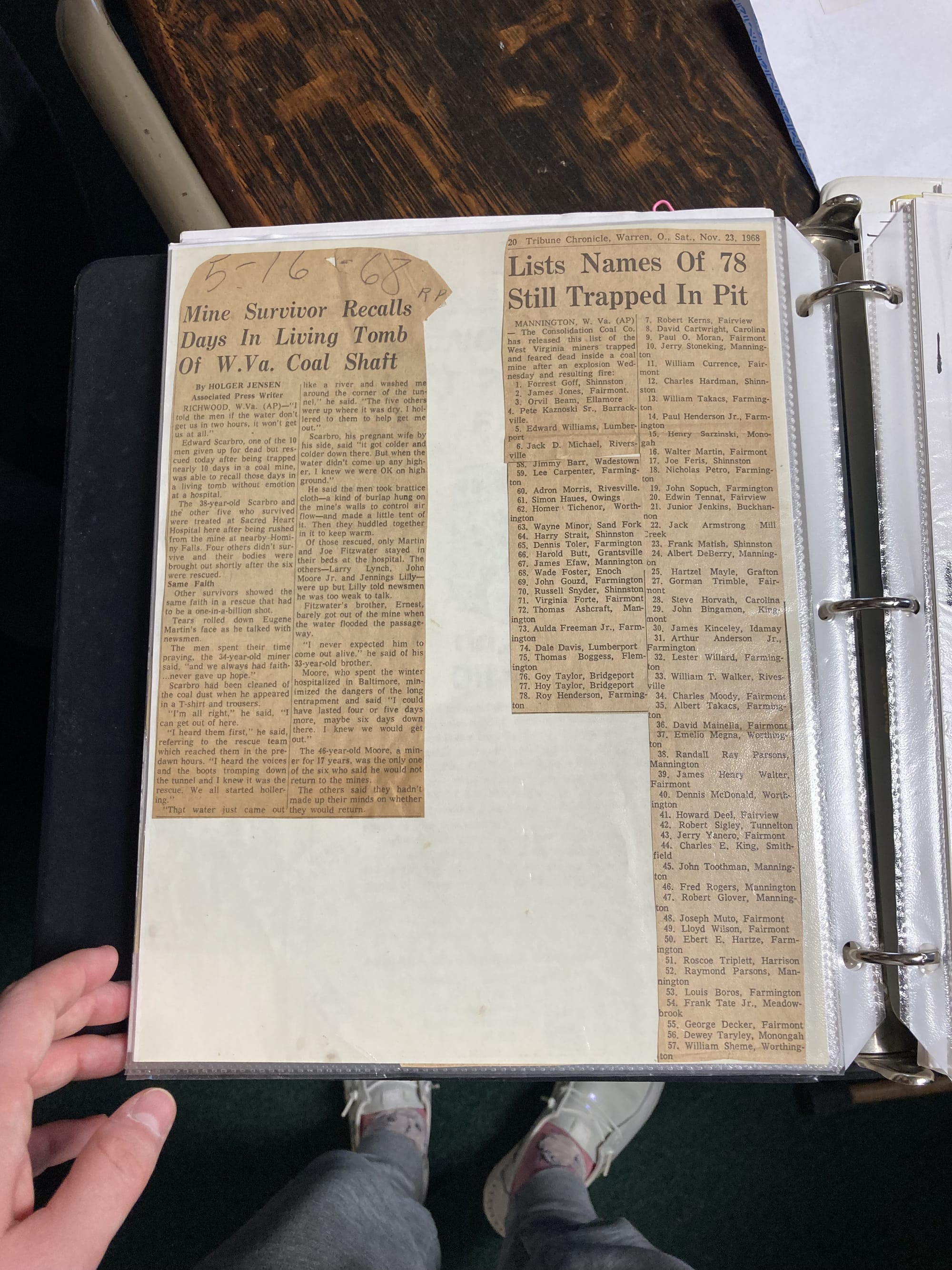
Historians also love newspapers. They are a great source of information about life in a specific community. They often contain advertisements that help historians to discern prices and who could afford different things. The obituaries showcase social networks and what communities were doing together in addition to providing information about individuals. Letters to the editor can provide information on what community members thought about social, cultural, or political happenings in the world. Local newspapers record everyday problems, events and economics. They show what communities thought was worth printing.These local papers allow historians to look at the differences between the national narratives and how those played out as a local reality. The headline on the front page offers a very different story than the classifieds have to tell, and both of those matter to the story of a community. Historians also love to see those newspapers separated from other paper materials to preserve them and keep them from discoloring other archival material! Community history institutional collections often include incomplete runs, and those fragments still matter.
By looking at what historians love, we can learn a lot about what to preserve, what to catalog carefully, what not to discard, and what to interpret for visitors. Small institutions often undervalue “ordinary” collections — but those collections are their greatest interpretive asset. The everyday object is often the most democratic source. These are the items that allow visitors to relate to the people of the past, and that is the first step towards caring about that past. And in order for the everyday people of our lifetime to help us preserve the past, they first have to care about it.
Historians may admire monuments, but we love notes in the margin. Don’t separate the envelope. Don’t throw away the dust jacket. Don’t dismiss the ordinary. Because one day, someone will love it. And if you or your institution needs help figuring out how to interpret the “mundane” items in your care, Curating Collections is here to help. Please feel free to reach out to schedule your consultation today.