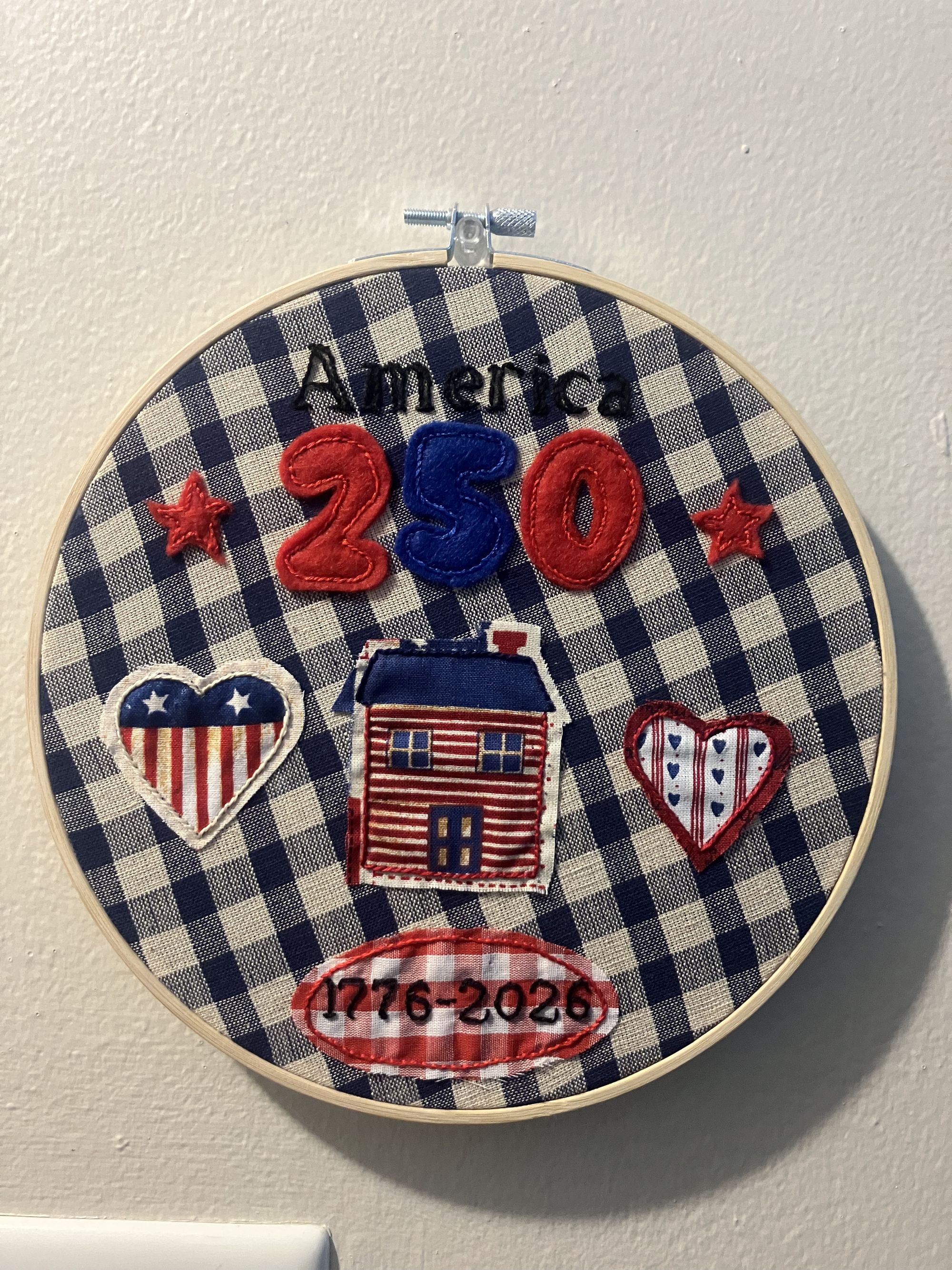
We’ve Done This Before: America’s Big Birthday Celebrations

Throughout America’s past, we have thrown some EPIC birthday parties. We’ve been here and celebrated before. In 1876, 1926, and 1976, we have looked back at America’s history and forward to her future. And each one of these celebrations tells us something about who we were at that moment. This year, that begs the question what will America 250 say about us?
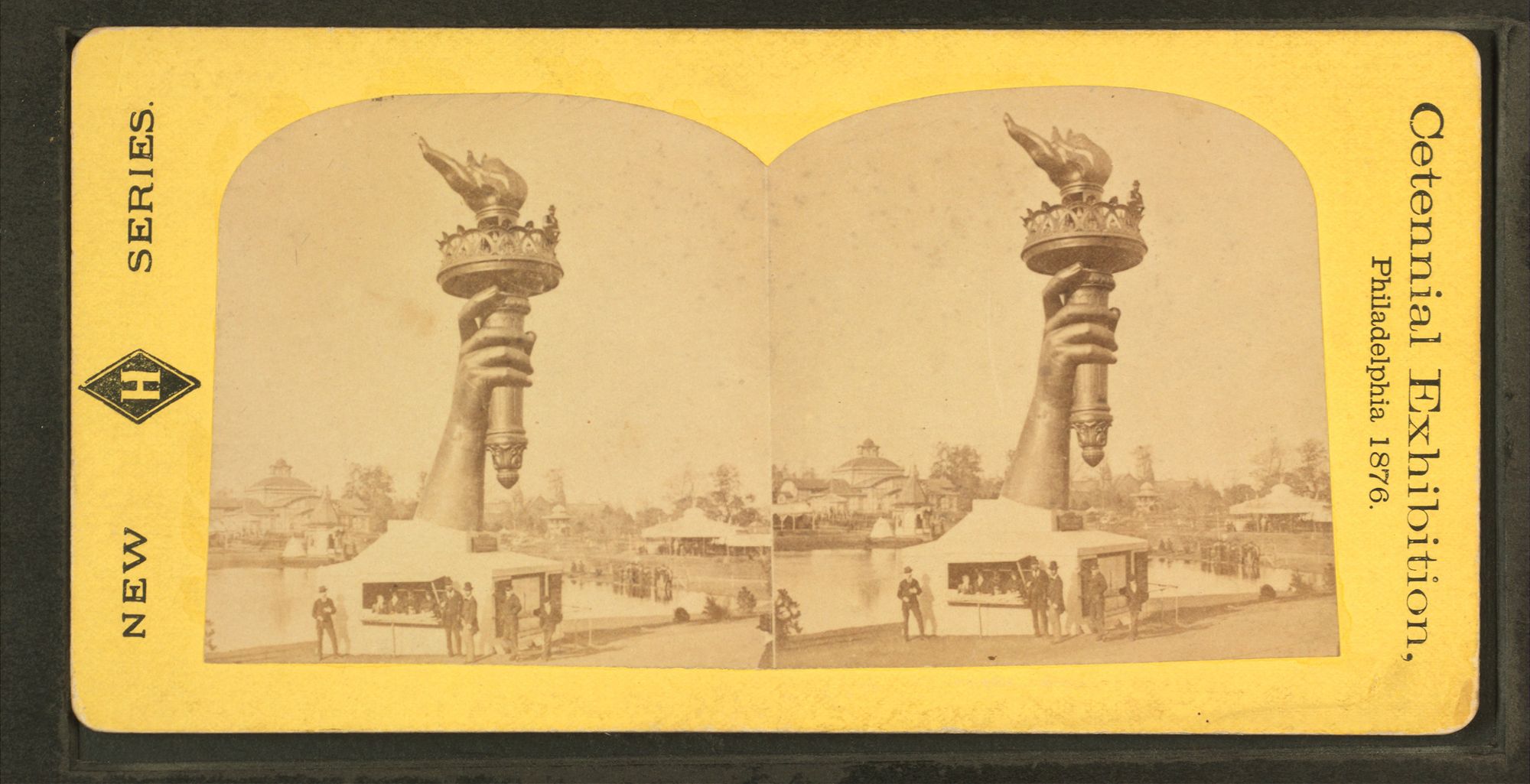
At the time of America’s 100th birthday, the Centennial in 1876, the country was only a decade out of the Civil War. And what better way to bring a nation back together than to celebrate a major milestone in a big way? To commemorate the occasion, Philadelphia hosted the Centennial Exposition, a massive world’s fair on a scale so large that it is somewhat hard to imagine today. The event saw close to 10 million visitors. It was the first public debut of the telephone, the giant Corliss Centennial steam engine,and featured exhibits from around the world. It was the first world’s fair held in America, and it was in the city where the Declaration of Independence had been written 100 years later. How amazing that would have been! What did it say about America in 1876? America was a country trying to prove it had survived and was moving forward, through industrial power, national pride, and unity after a bloody and vicious division. The event was full of American icons, both new and old. For a fee of $.50, visitors could walk through a full-sized replica of the Statue of Liberty’s hand and torch before the real one was even finished! The fees went towards the construction of the pedestal that the national landmark now stands on. In homage to the Liberty Bell, an uncracked replica was cast and named the “Centennial Bell. It weighed 13,000 pounds, 1,000 pounds for each of the original 13 colonies, and included 4 melted cannons, one from the American colonists, one from the British, one from the Union, and one from the Confederacy. Additionally, local celebrations happened across the country too. Small and large towns held parades and readings of the Declaration of Independence.
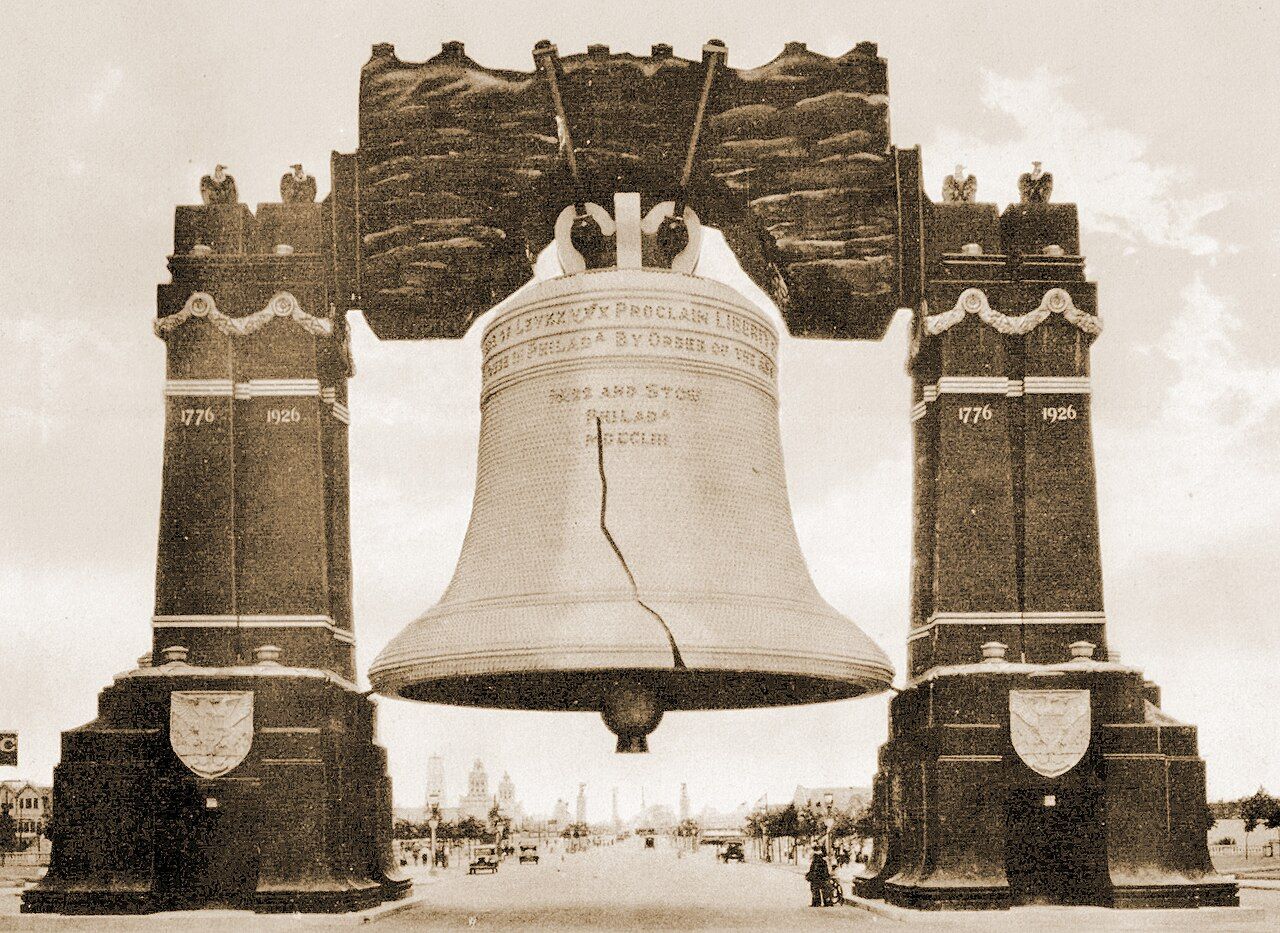
The Sesquicentennial, or the 150th birthday in 1926, featured another exposition that was once again held in Philadelphia, but with a very different vibe and turnout. The “Roaring Twenties” energy created a country that felt confident, modern, and booming. Unfortunately, despite opening to great fanfare, the event did not attract enough visitors to cover the expenses. The expo had a nostalgic quality. With a recreated Colonial High Street, it came across a bit like a theme park. What did it say about America in 1926? America was a country looking back fondly while charging ahead, perhaps with a bit of mythologizing of the past. This birthday was a bit overshadowed by the moment. With the twenties happening, a birthday party for a 150-year-old country almost slipped under the radar. Still, communities across the country celebrated.
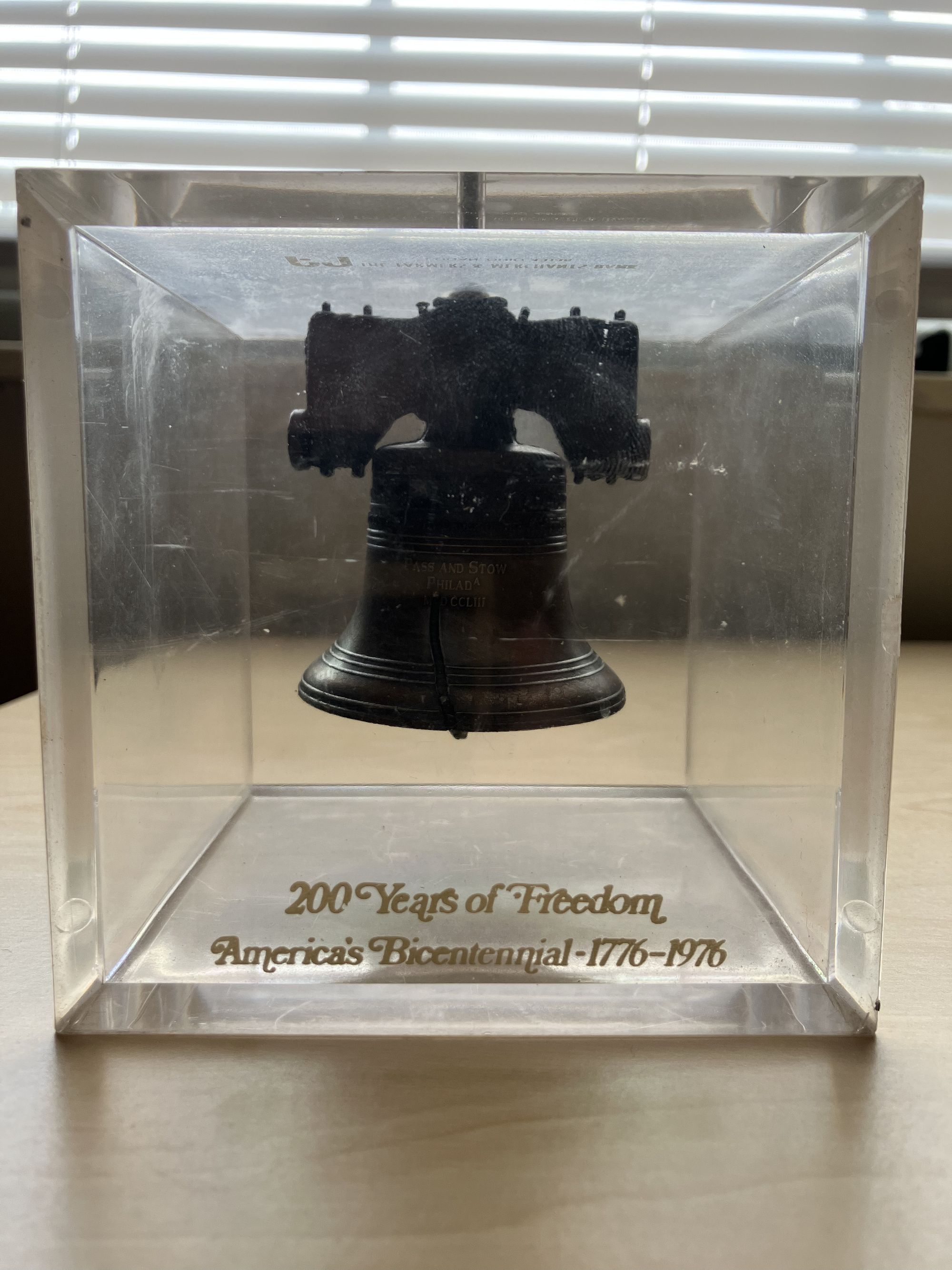
The Bicentennial, the 200th birthday in 1976, was the BIG one. It is the one that people still remember. I have friends whose parents travelled across the country in covered wagons. I have listened to people talk about the amazing events that filled the year. The energy was enormous. There were parades, tall ships in New York Harbor, fireworks everywhere, local celebrations in just about every community across the country. Even Queen Elizabeth II visited for the occasion, the monarch of the nation we were celebrating independence from! What did it say about America in 1976? America was a country coming out of a turbulent era after things like Vietnam and Watergate, and it was grasping for something to feel good about. And the country found that in the Bicentennial celebration. The Bicentennial was decentralized. Communities everywhere created their own celebrations, their own events, and their own ways of marking the milestone. There were so many objects that came out of this. Bicentennial memorabilia is everywhere in collections. Quilts, commemorative plates, pins, local parade programs, community celebration photos, time capsules, and logos on so many different items. These objects are sitting in small museum collections right now, and they tell a story about how everyday Americans celebrated their country’s 200th birthday. The Bicentennial was proof that the best celebrations happen everywhere, not just in one city.
Each of these celebrations reflected the country at that moment. 1876 was about survival and pride, 1926 was about modern confidence, 1976 was about finding joy again. America 250 will say something too. And we all get to be a part of that story as individuals or small museums or big museums! The objects, the events, and the local celebrations hold meaning now and for the future. In 50 years, someone will be looking at OUR America 250 stuff in a collection and learning about who we were at this moment in history. What are we going to create?