
Voices of the Past: Letters
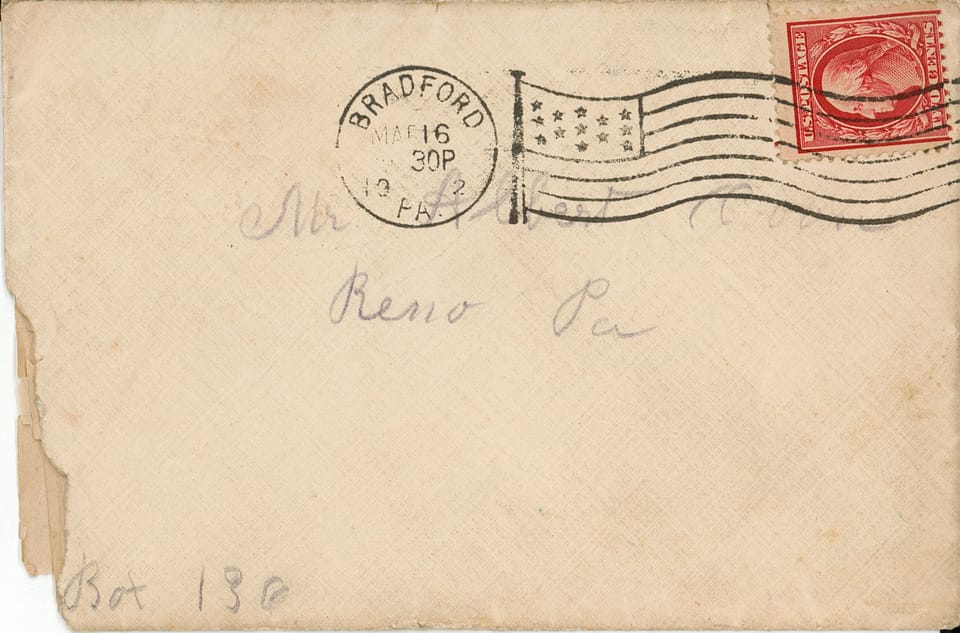
Letters can be found in archives around the world, from many different time periods. And each one can provide something unique to those who read them. These artifacts allow us to hear the thoughts and words of people from long ago. What an amazing concept! Each part of the letter can tell us something different.
Even the envelopes can share details about the past. From the sender to the recipient, these envelopes often include information that the actual letter does not. They can include full names, addresses of the individuals, and postage dates that may not be reflected in the content of the letter. They can also help with information about street changes that can be helpful in finding people or places, as many roads and locations have changed names over the years. Sometimes, the envelopes even contain information about the cost of mailing, which can highlight distances or a changing economy. Often, a postcard can showcase a lot of this information too. They may not contain return addresses, but many of them are stamped at the post office they were sent from.
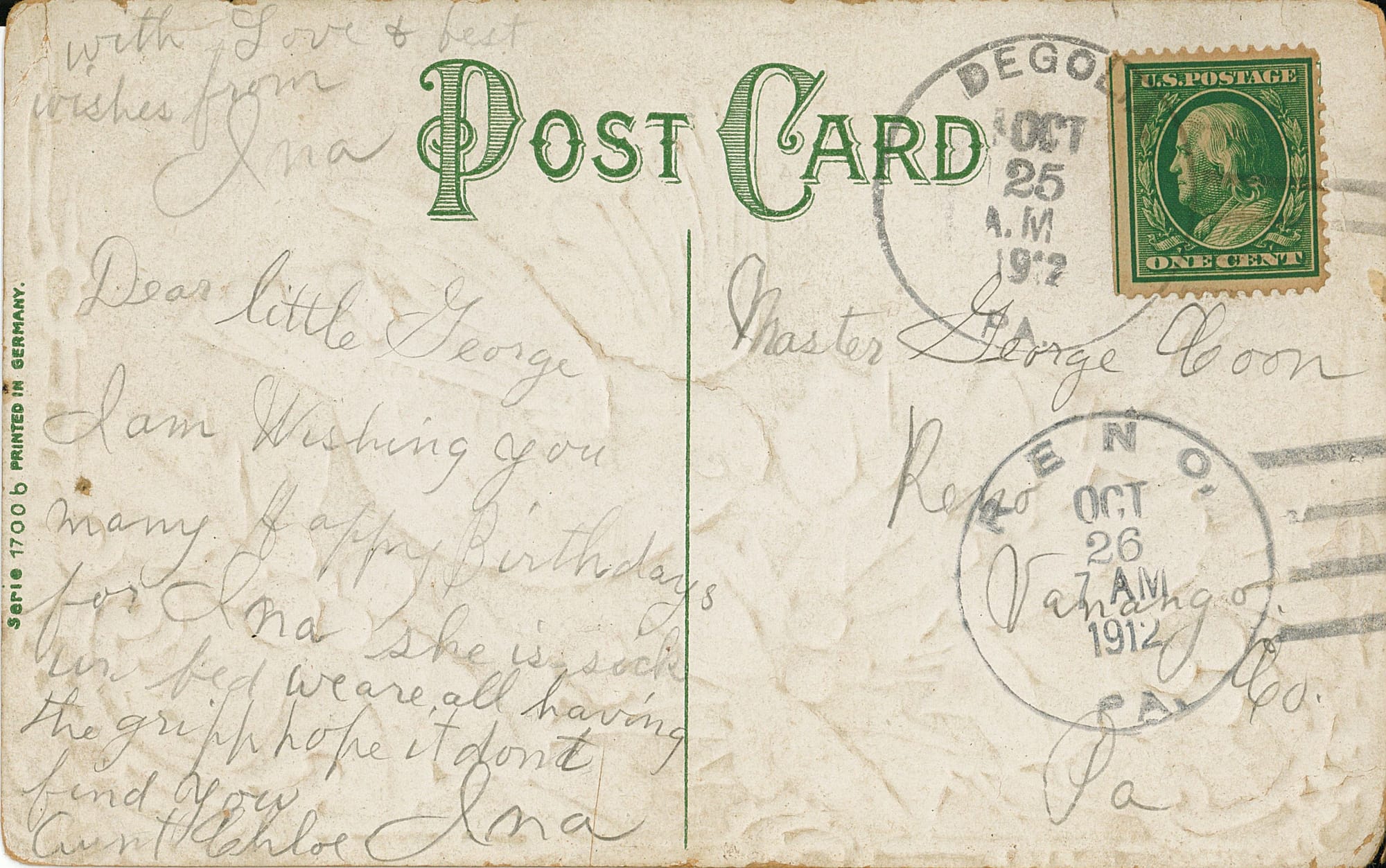
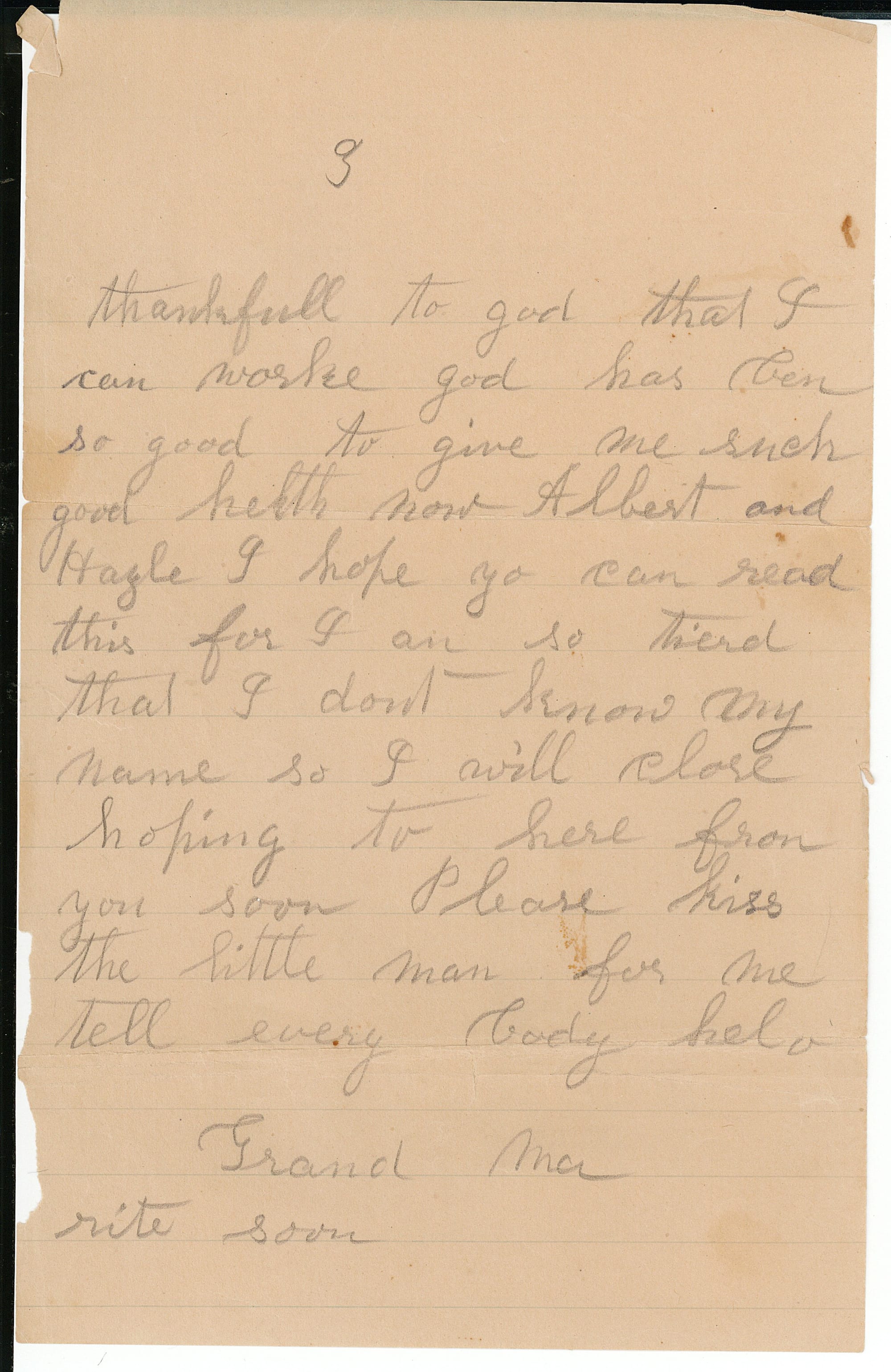
One struggle that spans many organizations and individuals is handwriting. Some handwriting is beautiful and legible, and some just is not. This can make understanding the contents of the letter difficult. Old cursive handwriting can be even more difficult to read and comprehend if you are not familiar with it. Thankfully, there are plenty of resources available for just this problem! The Smithsonian has several resources available specifically for historic handwriting. I personally am a member of several archives Facebook groups, where members often post pictures of hard to decipher writing to get help from fresh eyes. There are also a few virtual tools and new AI software that I am excited to look into.
There are some wonderful things that we can learn from reading through old letters. They often highlight the personal lives and emotions of the writer and offer some of the reality of daily life in a different time period. It can be really easy as a historian to look at the “big” events of the past and forget that people were living everyday lives. So a letter sent in 1942 might not discuss the World War going on at all, but might focus on the shopping, kids growing, or planning visits. These types of exchanges provide my favorite type of information: the kind that humanizes the people of the past. The people who wrote these lived, loved, lost, and experienced everything in between, just like we do today! The details that they provide show the things that they found important in their own lives. They had thoughts and feelings about the things that they wrote about because they were real people experiencing the realities of life. They had unique ways of stating things, they misspelled words, and they shared parts of their lives with the people that they cared about in the ways that they had available. It can be so easy to lose track of the individuals who make up our history, but the individuality is what makes it relevant; it is what keeps history important to see ourselves reflected in the people of the past. That is what makes preserving those items even more important!
The preservation of historic letters is vital to the preservation of the unique voices of the past. I may sound like a broken record with the way that I talk about acid free folders and boxes, but it is the best way to ensure that these artifacts live a long life. They should be stored in a safe environment, free from damp or humid conditions in a folder and box that will protect them from deterioration. Any fastening items, such as paperclips, staples, or rubber bands, should be removed before storage if you can remove them without damaging the item. These types of items cause stains and rips, and should not be used. It is best practice to remove a letter from the envelope in order to prevent wear, but they should be stored together to keep the information we have discussed here together. It is also important to store these items flat, they should not be stored rolled or folded. Frequent unfolding can weaken the paper and lead to tears. That is why it is best to remove letters from envelopes, unfold them, and store them flat in a proper archival box.
These resources are a valuable part of the historic record, and the information that we can learn from them helps to fill in the gaps of knowledge that exist around each time period. Preserving them is an important step in the work of a historian. If you or an organization you work with has a collection of letters that you need help organizing, processing, preserving, or digitizing, please feel free to reach out to set up an assessment and get started with Curating Collections for your archival needs!