Reading the Unreadable
Picture this. You open the box you requested from the archivist. You unfold the document you’ve been looking for. You glance down and think, “This should be easy.” It’s in English. The handwriting is gorgeous. The ink is not faded on the page. And yet… you start skimming the page to realize that you cannot put together a single sentence. You recognize a few of the letters, but the words that you are seeing make no sense. You’re stuck sounding things out like you’re just learning to read all over again. How does this happen?? Reading archival handwriting isn’t the same as reading a book, it’s a learned skill that can turn even confident researchers into patient decoders.
People often think that historians simply “read old documents” like one would pull a Jane Austen novel off the shelf and begin to flip through. In reality, it often involves a lot of squinting, guessing, revising, and the occasional dramatic sigh while taking off glasses and rubbing eyes. For many handwritten historic documents, there is no system of “just reading it.” It is a process, and it can be time consuming and frustrating. Archives are not immediately accessible just because you can walk in and request material. Handwriting can be one of the biggest barriers. This is part of the invisible skill set historians and archivists develop over time.
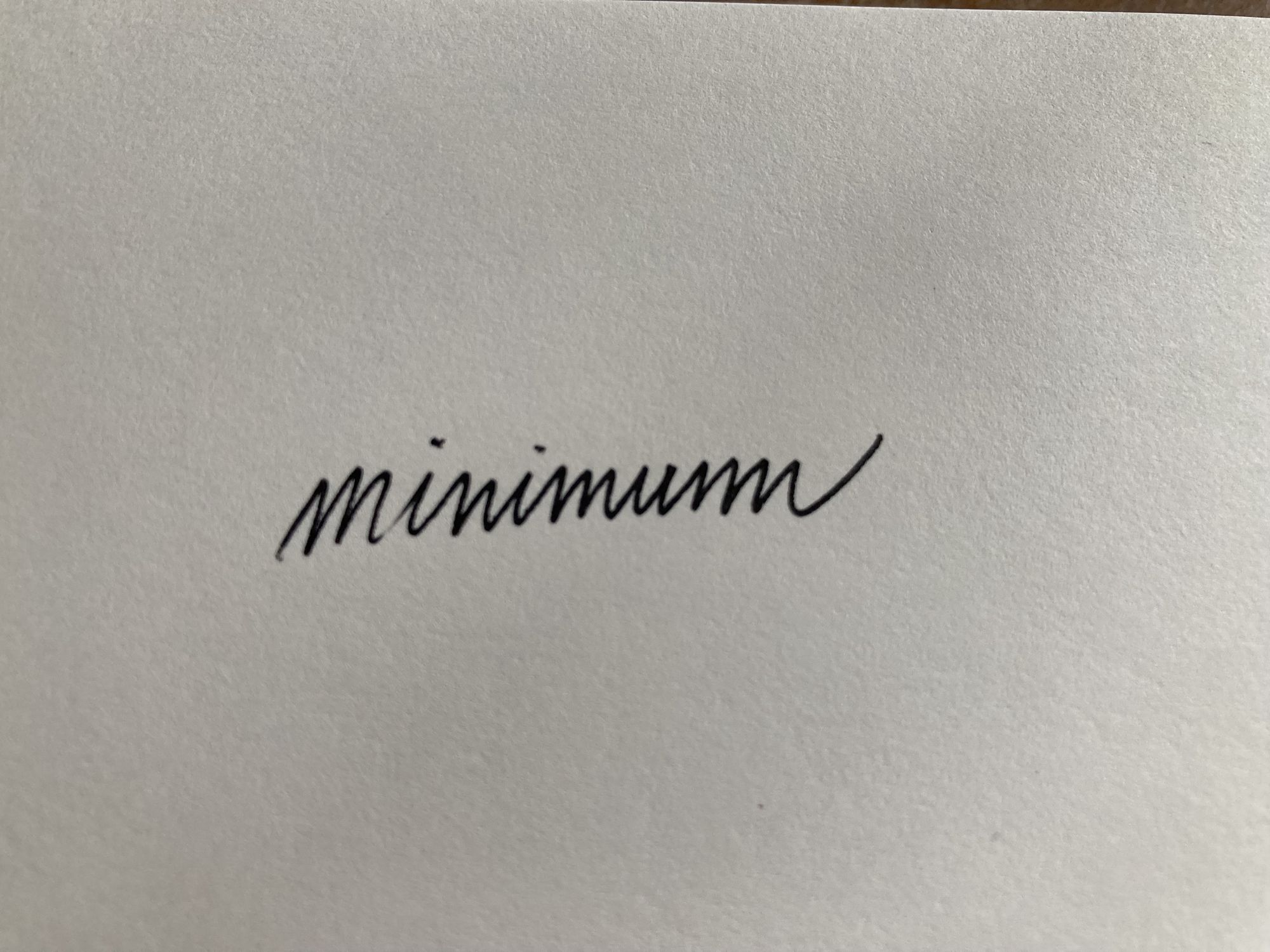
When you first start trying to read the document the archivist has handed you, it is frustratingly difficult. You can pick out a few obvious words, like maybe “the,” a month or day name, possibly the name of an individual associated with the document. But, everything else dissolves into loops and lines. You become suspicious of the letters you’ve known your entire life. “Is that an s or an f? Is it a decorative flourish? Why does every word look like “minimum”? This stage is a universal experience among researchers. Each time you look at a new handwritten document, you have to go through it with new eyes, learning how to interpret each item.
Historians don’t necessarily read handwriting like print. They spend time analyzing the handwriting and documents to identify repeated words, learn how one specific writer forms letters, build a mental “key” to the script, and use context to test their guesses on what the translation of the letters could be. There is a burst of joy the moment a historian realizes the same strange squiggle is actually the letter “p” and they can then figure out what some of the additional words in the document are. There is a small victory found in correctly identifying one full sentence. It is not just reading the document; it is learning how this specific person wrote.
Context in these situations is a historian’s best friend. There are ways to work out what documents may contain. Certain words can be expected to be found within certain documents. Historians can use dates, names, formats, or common phrases that can help to identify certain words or letters. If it’s a ledger from a grocery store, it probably doesn’t say “existential despair,” but it likely says “flour,” “cloth,” or “paid.” Context narrows the possibilities of documents and materials and makes partial reading possible.
It can be at this point in my process that I get confident about my transcriptions. I have confidently transcribed a word and built the meaning around it, only to later realize that it was completely wrong. I had been translating “February” as “Frederick,” and the entire message of the document is completely different. Reading handwriting is iterative. There is a process of first readings, second guesses, corrections, and finally figuring something out that allows more of the puzzle to click into place. Careful historians build in room for revision.
Thankfully, there are a plethora of tools and tricks in the historian’s toolbox that make this process a little bit easier. There are things that can really come in handy for working with old handwriting. Having a magnifier on hand when working with physical material is incredibly helpful. It allows for all the small lines or faded letters to come more into focus. In the same vein, using digital zoom online materials is useful as well. Finding or creating transcription notes is super helpful when returning to the source in the future. Comparing repeated words or letters helps ensure that the transcription is true. Sometimes, I even find that writing out the letters of a word I am struggling with helps my brain to figure out what word it feels or looks like I am writing. Other times, rotating the page or staring at one word for 2 minutes can feel like it might suddenly make sense. The important thing to note is that tools help, but pattern recognition is the real skill.
Unfortunately, sometimes the hard-to-read documents get skipped, underused, or left for someone in the future to transcribe, which often means never. Everyone has that one document they keep meaning to come back to. It is a lot of work to transcribe a difficult document, but that work is incredibly valuable. The ease of reading can shape historical narratives more than we realize. So taking the time to do that work is valuable. The hardest documents to read often contain personal voices, informal writing, and unfiltered perspectives. The effort of decoding or transcribing is often rewarded with richer, more human stories. For small institutions, these overlooked materials can be interpretive gold.
When you find documents like this at the archive, they often start off as confusing, frustrating, or causing you to second-guess your own ability to read. As you work through the handwriting and the context and the wording or spelling, it becomes familiar, recognizable, and even enjoyable. At some point, the unreadable becomes readable, and even if you’re not entirely sure when it happened, you can enjoy the benefits of the skill and the beauty of the writing.