
Primary Sources vs. Personal Stories
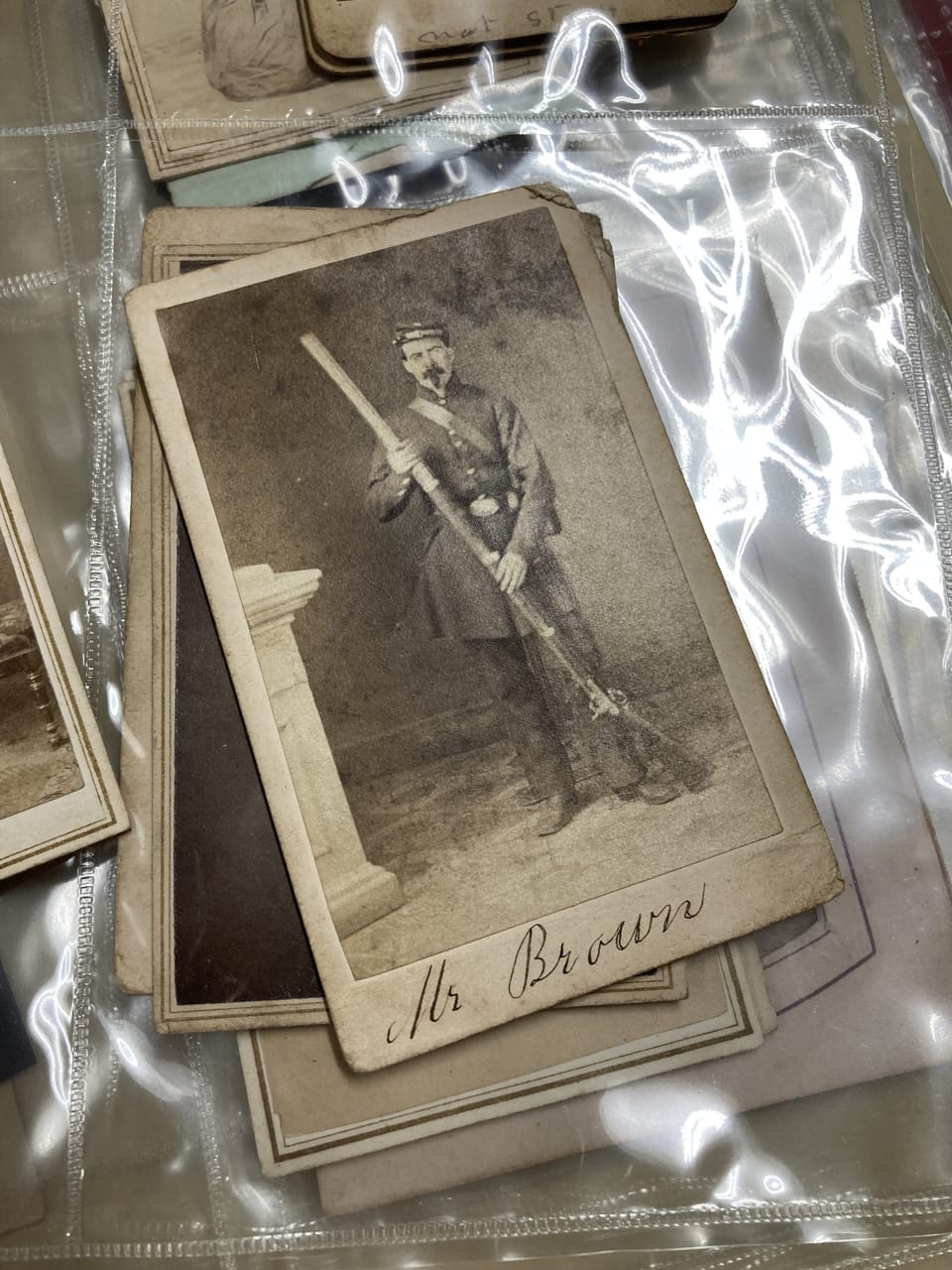
My grandparents have a sword that belonged to my 4x great grandfather. I grew up hearing the story that he had taken the sword as a souvenir from one of the battles that he fought in during the American Civil War. It was an incredible story! As I got older and got more interested in history, I began to spend time researching certain parts of the conflict, and I eventually turned to researching the family sword to learn more about it. As I dug in, I started to realize that the sword was not a military sword at all. It was an early masonic sword that would not have been anywhere near a battlefield. That changed the story. That didn’t make the story meaningless. It still reflected family pride, oral tradition, and ideas about family history. But it wasn’t entirely accurate as a historical fact. This experience is not unique. It plays out in small museums every day. When donors walk in with objects, stories, and generational memory, there is much to be preserved. But what is a primary source? What is a personal story? And why does the distinction matter?
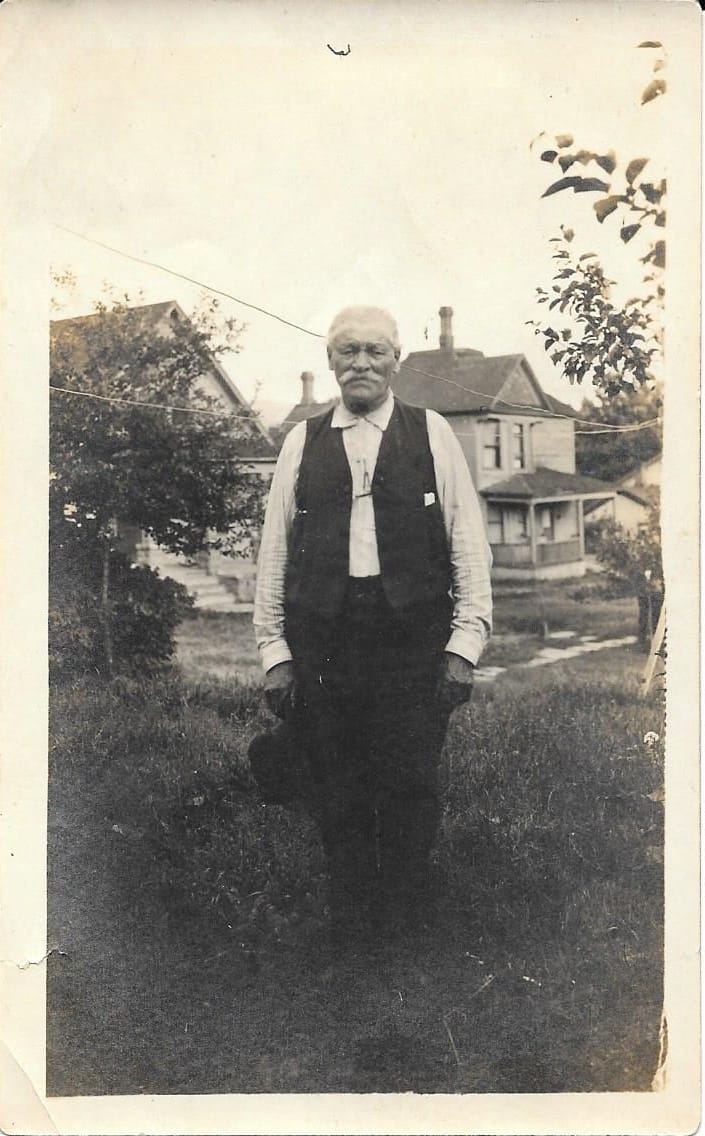
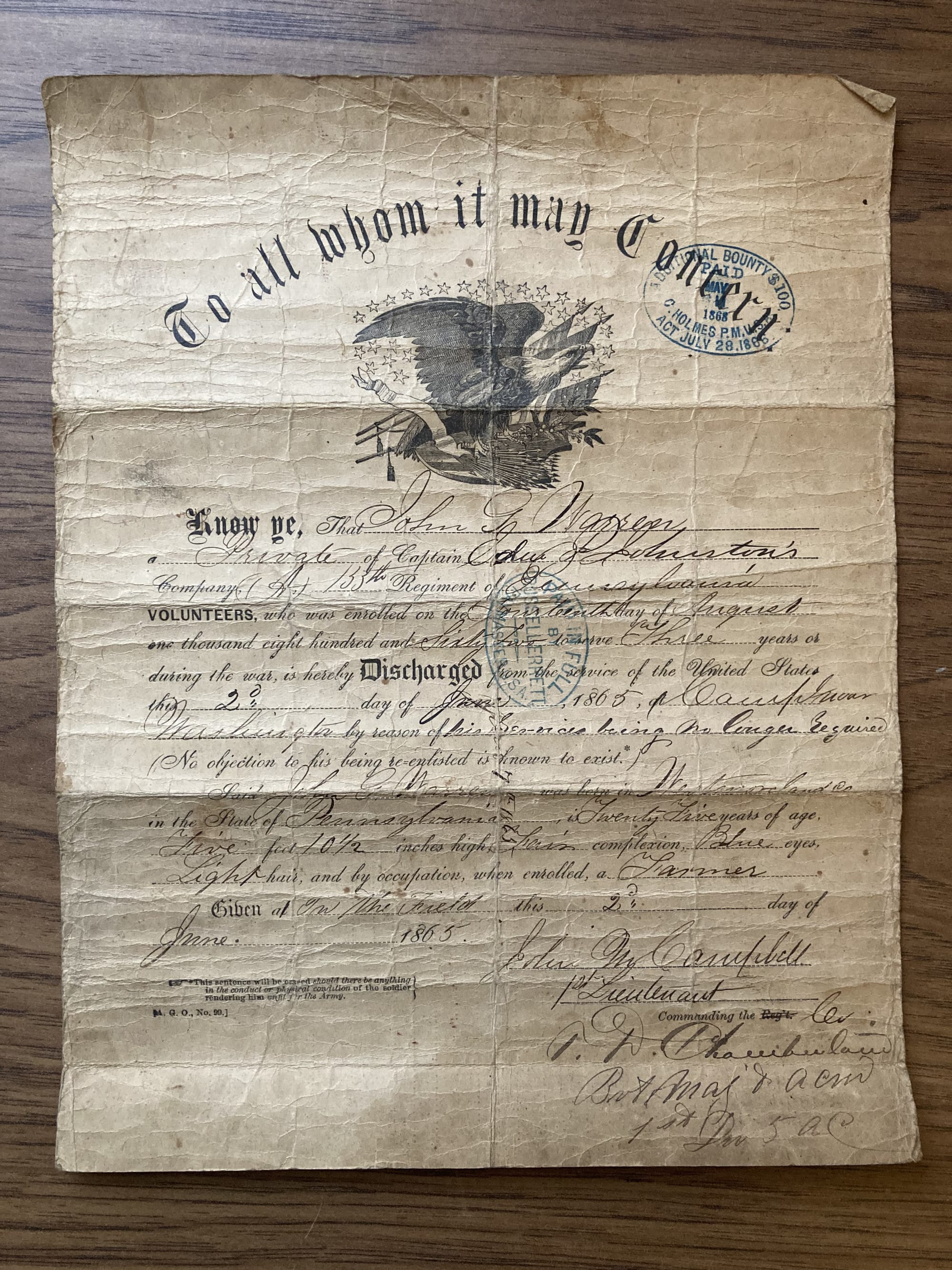
According to the Library of Congress, a primary source is “a first-hand record of an event or topic created by a participant in or a witness to that event or topic.” This can include letters, diaries, photographs, government documents, and first-hand accounts. Typically, the most useful first-hand accounts are those recorded shortly after the event, although memoirs or later oral histories are still considered primary sources. Someone who lived through an event and speaks about it is a primary source. Institutions like the Smithsonian Institution and the National Archives maintain oral history archives because these sources are important as primary sources in American history. Primary sources are about the proximity to the event, not about the prestige or age of a source.
While oral histories can be an incredible primary source for historians, there is a distinction between primary sources and personal stories. A veteran describing their experience of D-Day in 1944 is a primary source. A grandchild of that veteran describing what they were told about that experience in 1944 is an inherited narrative, or a personal story. Stories have the ability to evolve as time goes on and the narrative gains distance from the source. The stories can begin to shift the emphasis, simplify complex events, elevate heroism, omit uncomfortable facts, or even change with each retelling. This is not intentional. It is how human psychology works. Memory fallibility is a real challenge with shared narratives. People misremember. Time compresses events. The space between the event and the story leads to small gaps in the retelling. Organizations like the Oral History Association have amazing resources on how memory preservation can be accomplished with personal primary sources while maintaining the historian’s ethical responsibilities. Family stories are community heritage. However, they are not always documentary evidence.
Tensions can arise between these two sources for a variety of reasons. Maybe the archive documentation contradicts the family story. Perhaps a beloved community narrative doesn’t align with newspaper records. Sometimes, a donor insists that their version is “the truth.” Local history museums especially face pressure when it comes to being trusted with these community stories. There are so many things that these organizations have to consider, such as donor relationships, community politics, limited staff to fact-check information, or a fear of alienating supporters. There is an ethical responsibility for museums to maintain the factual documentation and keep the community stories. Museums are not just memory banks. They are stewards of interpretation. Acknowledging an inconsistency does not mean that a historian or institution is dismissing a lived experience.
The value of oral history is in its ability to showcase the human story. There are stories and events where the people who lived them are one of the few sources to learn about the event. In many cases, written records are incomplete or biased. Especially within community history, there are local events that require the memory of lived experience to keep the event and its repercussions alive in the historic record. Things like community heritage, local disasters, industries leaving or entering an area, all require the input of those who lived it. Oral history fills archival silence. But, it must be documented, contextualized, and identified as oral testimony.
If all sources are treated as equally verifiable, institutions run the risk of collapsing the distinction between these two sources. If personal stories are treated as hardened fact, organizations threaten the validity of documented truths. This could lead to the erosion of public trust. Misinformation could spread easily. Myth and lore turn into “fact.” Museums lose their credibility. On the flip side, if personal stories are dismissed, organizations turn their back on the call to be a haven for community centrality. Communities could feel unheard. Marginalized voices could disappear. Museums would become sterile repositories, lacking the ability to humanize the past and inspire people to care. The solution is not choosing one; it is transparency.
Fortunately, there are actionable steps that can be taken to ensure that both of these sources receive their proper place in historic interpretation. Labeling information clearly is important. In exhibits, using wording like “According to family tradition…” or “In a 1982 oral history interview…” shows where the information comes from without denigrating the source. Oral history projects should be documented properly. Ideally they would record audio and video, capture the date and context, note the age of the narrator, and preserve transcripts of the interview. The goal is to avoid embellishment. Don’t add or subtract from the sources to make it “sound better.” It is a wonderful plan to preserve both the documented record and the community memory side-by-side.
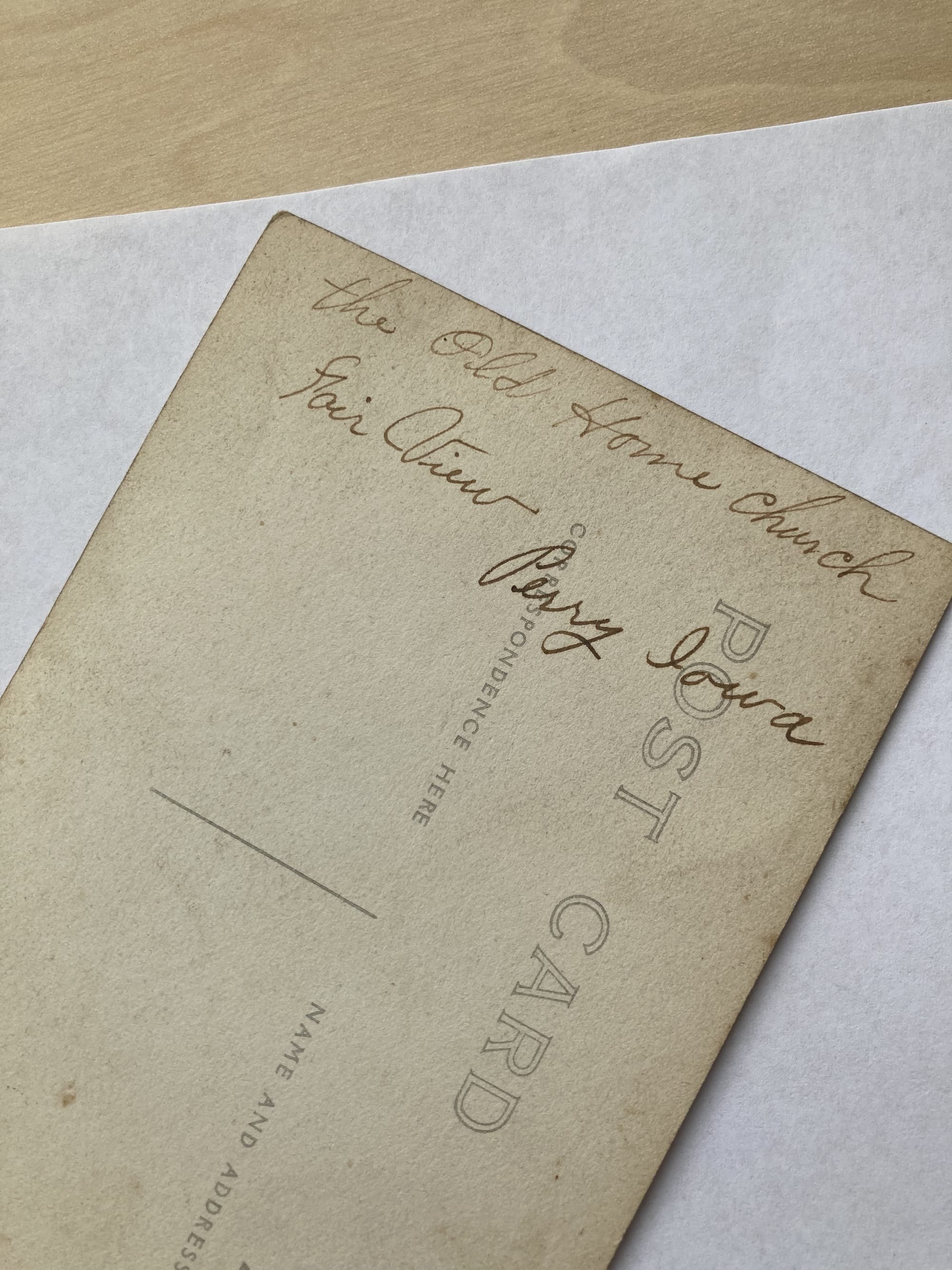
Attic archives and family donations often come with their own narratives. It is important to remember that artifacts without provenance are stories waiting to be tested and proven. Documentation increases interpretive value, even that small sticky note that shows that it was passed from father to son. The stories should ideally be recorded at the moment of donation. Collect the story, but record it as a narrative, not a certification of fact.
People who lived through history are primary sources. Stories passed down through generations are cultural inheritance. Archives and oral histories are not at odds with one another. Memory and documentation must be in conversation with one another, not competition. Small museums are often the most trusted institutions in their communities. That trust depends not on having all the answers, but on being clear about what we know, how we know it, and where memory begins.