
Preserving “Small” Histories
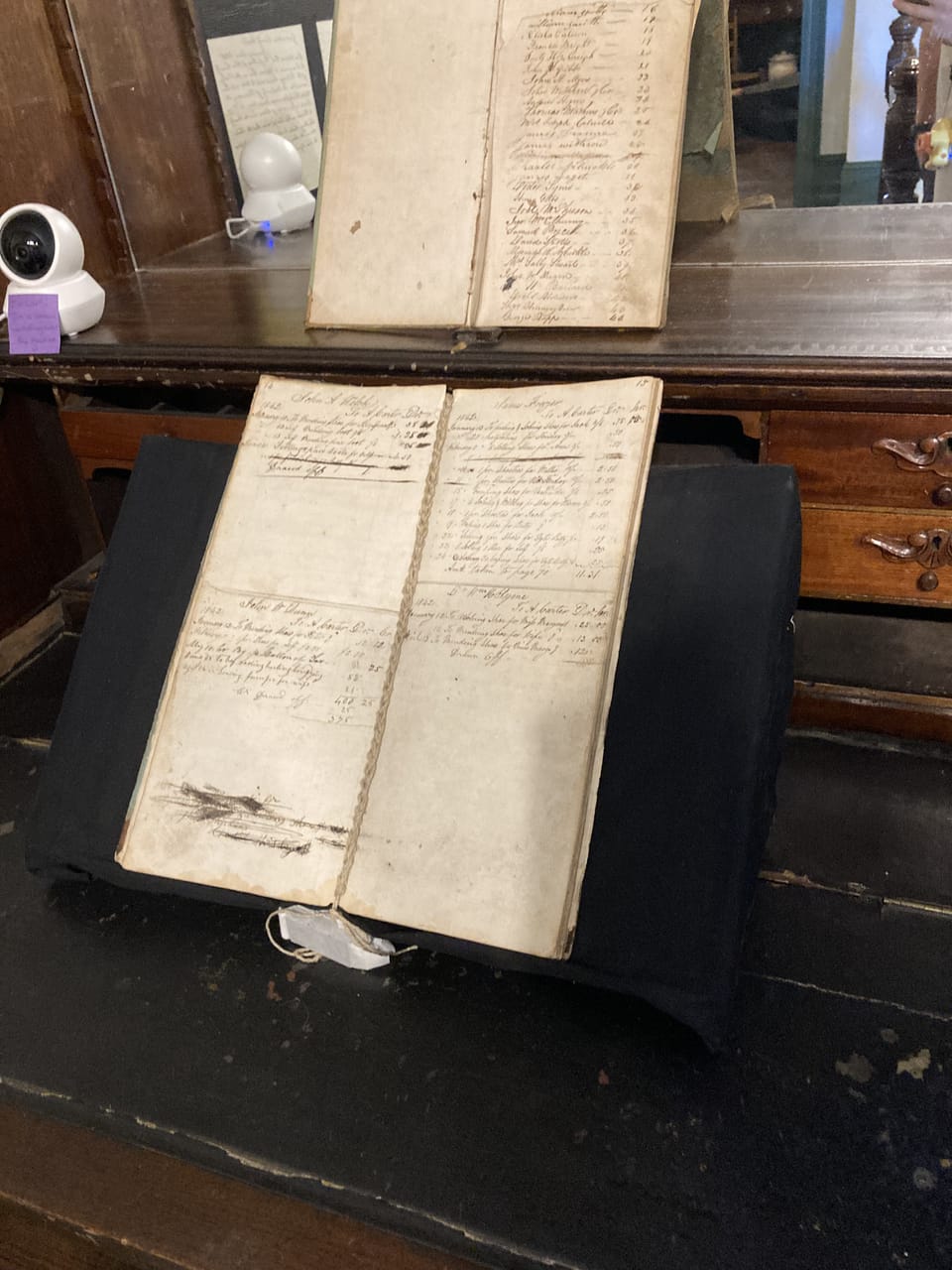
History is a big concept. The past is all the time that has gone by. It can feel intimidating, as a historian, to think that I am in some way contributing to that record. I am a part of the story, from preservation of the materials that already exist to the records that I am creating in the present. History can feel like it's the big things of the past. The battles, the disasters, the rise and fall of empires, the major characters like Alexander the Great or George Washington. But history is so much more than that.
History is more than monumental events. It is the everyday experiences, the local and personal stories, and the ordinary people whose lives probably won’t show up in the textbooks. It is up to the historians and the institutions who house history to help ensure that those stories get preserved. Choosing what to preserve is also choosing what becomes history, allowing these “small” parts of history to become a part of the record. This is a big responsibility of the historian. It is not just a conceptual responsibility, but a professional one with real impact.
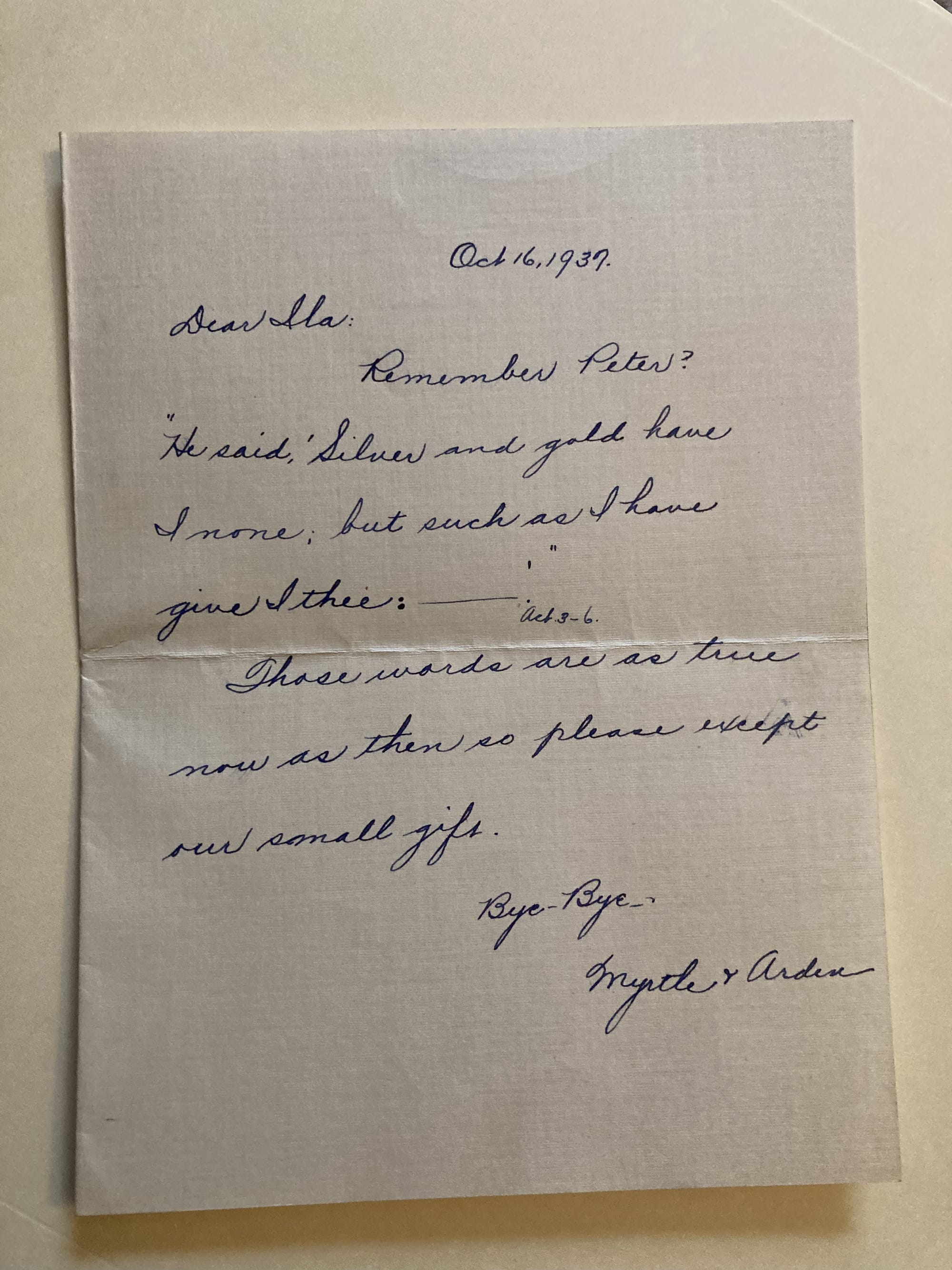
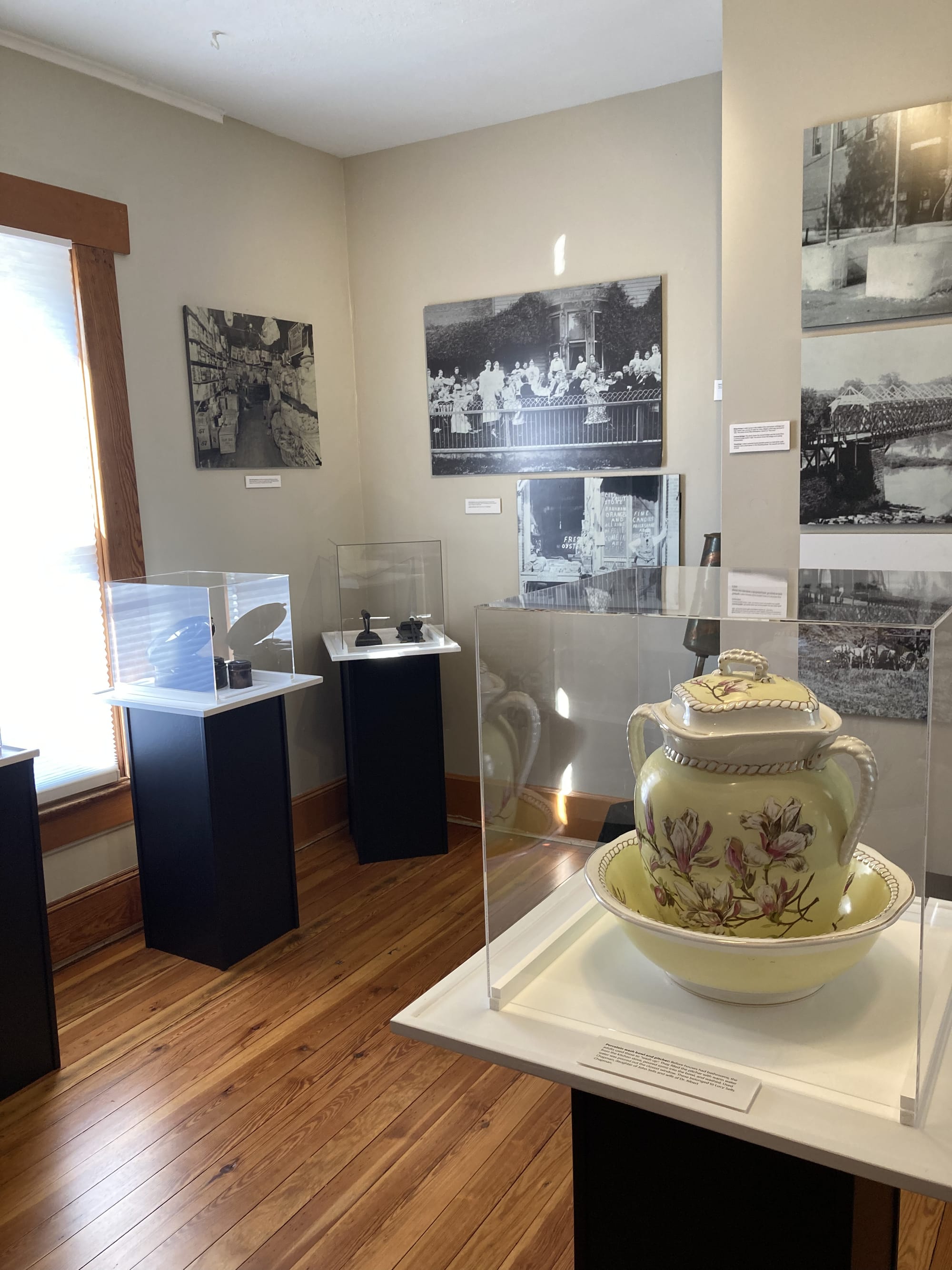
These “small” histories can be found in a variety of different items, such as: objects with minimal documentation, stories shared informally or without proof, provenance that can’t be clearly traced, materials used as ephemera or things not meant to last. These histories already exist in collections across the country, but they remain under-described or under-interpreted because their inherent value is not as obvious as other items in a collection. However, the histories in these items can add a certain depth and provide additional context to larger narratives. Including a personal letter in a display about an individual can connect with audiences and help them to understand the individual’s place within their own community. These “small” histories can also help to humanize collections and exhibitions. Allowing people to see themselves in an everyday object allows them to connect to that theme. It builds the care that people have about the past.
However, these histories can unfortunately be easy to overlook. There are so many factors to consider when looking at what a museum or historical society has included in its narrative. In a practical sense, there are often very real time, staffing, storage, budget, and cataloging constraints, especially on smaller institutions. These can all make it more difficult to highlight these histories. Especially when historically, there has been a professional emphasis placed on items with certain significance or a specific level of rarity. And this is not to discredit those items! They have an important place in the narrative, but the idea that the only history worth sharing is the exceptional history is damaging to the story historians tell and the connection that modern audiences could n]make to that history. This is typically not an intentional omission, but if it is not looked at directly, it can become the standard narrative.
Historians are not simply the keepers of the human record. They are additionally contributors to the record of the past. The choice of a historian to include these “small” histories in the narrative they tell about the past can hold real and lasting value. They complicate and enrich the dominant narratives. They add depth to the stories that history tells. They validate the lived experiences of the past: both those that the modern world will not experience and those that have remained common throughout time. Additionally, keeping these as a part of the narrative allows the future generation of historians to access information that may serve a bigger role in contextual and critical thinking of the past. Preservation and interpretation is an act of care, to the people of the past, for the people of the present, with thought of the people of the future.
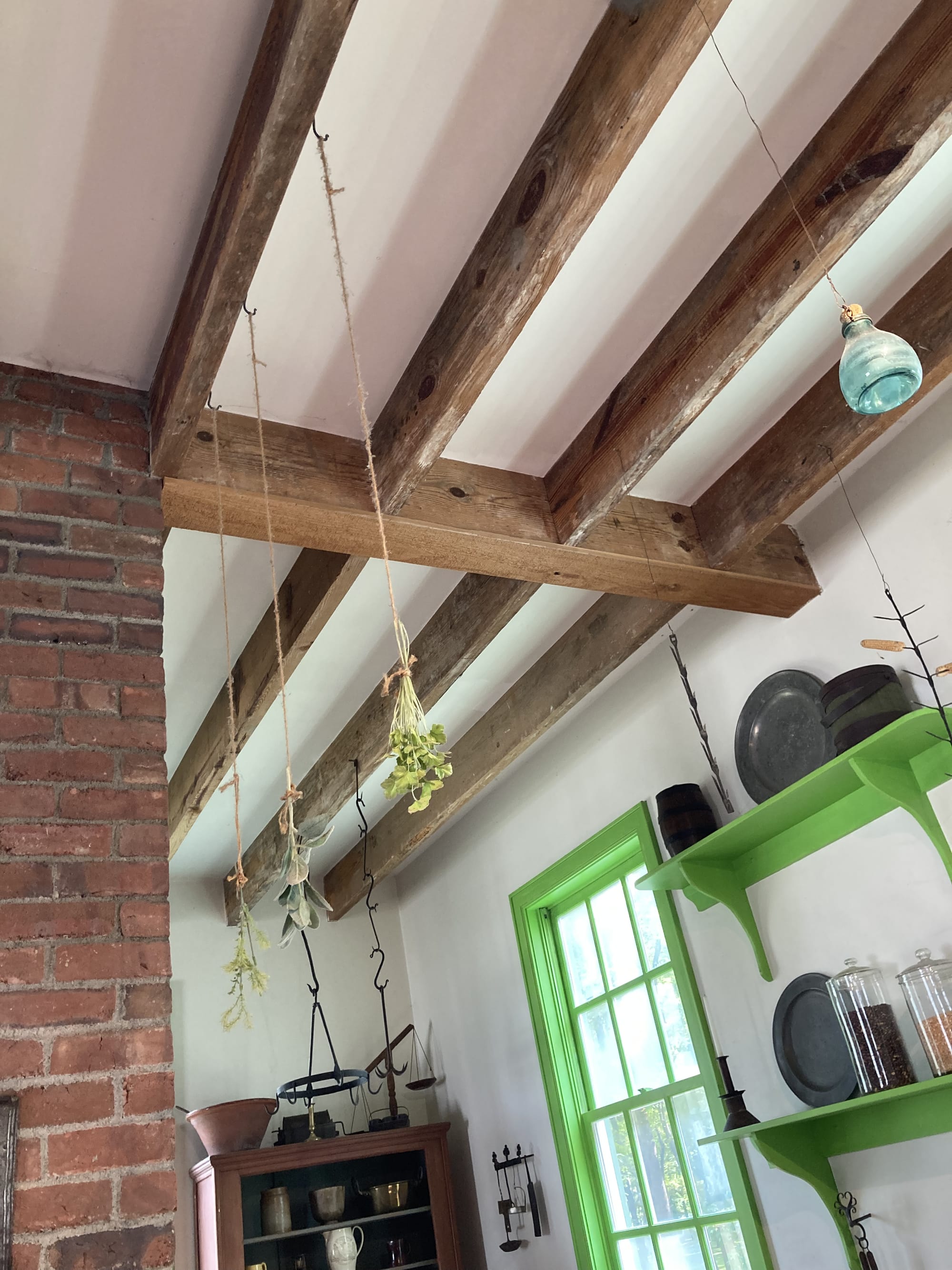
Thankfully, there are many ways to preserve these “small” histories. By recording context, stories, and relationships alongside objects, we can share the stories that these items hold. Community engagement projects also help to preserve the everyday histories. Oral histories, story-collecting initiatives, and community archiving all help to ensure that the past (and present!) of a neighborhood are kept for future use. This is also a great time to look at born-digital materials, and what the preservation of those could look like. The preservation and interpretation of these “small” histories does not need to be perfect. It does not need to be an archives-wide initiative that takes years and hundreds of thousands of dollars. But intentionally deciding to include those stories in the overarching narrative ensures that our view of the past holds weight.
History might be a really “big” concept, but it is made up of many small parts. Preservation is not simply about the past; it carries the burden of helping to shape the future understanding of that past. Inclusion and interpretation of the “small” histories will allow people to connect to the humanity of the past. Seeing ourselves reflected in the mundane is a beautiful segue into encouraging people to care about the past and its preservation. By preserving small histories, organizations can help ensure that the historical record reflects the fullness of human experience.
If you or your institution are looking for help in preserving, displaying, or teaching the small histories that you preserve, please feel free to reach out to Curating Collections. Our mission is to help preserve the past in the present for the future.