
New Year Same Mission Protecting Collections Part 2: Digitization
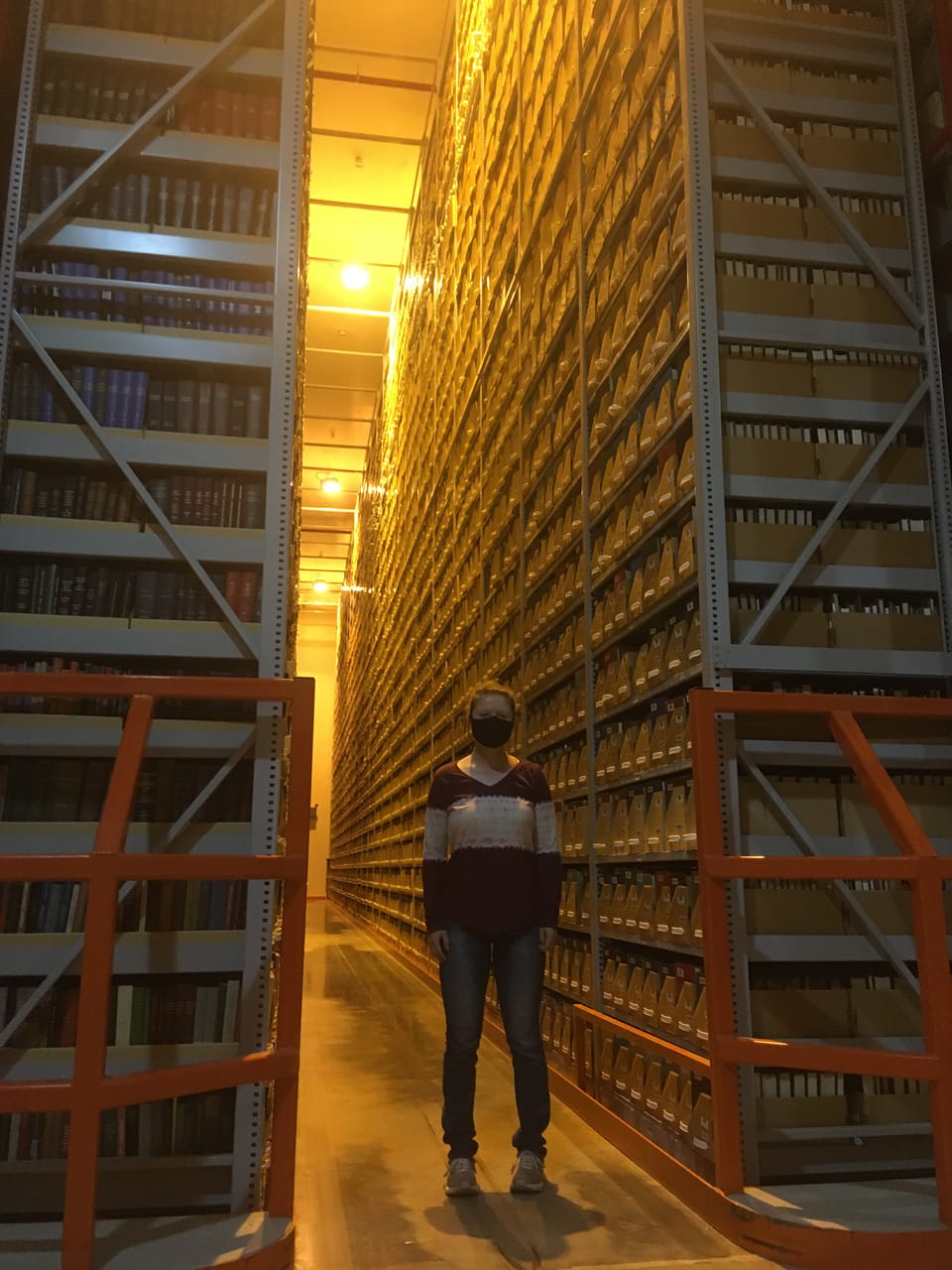
Digitization in archives is something that gets talked about frequently. It is a topic at every conference and event of the modern archivist’s life. It is something that is often considered the next logical step for any archive, and it usually looks like a different process for any organization able to consider a digitization project. So what is it? The Society of American Archivists (SAA) defines the word digitize as, “to transform analog information into digital form.” This means to take physical objects and documents and turn them into information that can be processed by a computer, a relatively new goal in human history given how recently computers and the internet have become a part of everyday life. It often involves scanning documents and creating digital files.
But what is the ultimate goal of digitizing materials? Why should an organization digitize at all? The specific reasons may vary from institution to institution, but there are a few core justifications for these types of projects. One of the most common reasons for digitization is for the aspect of preservation that it offers. If a high-quality copy of a fragile document exists, then there is less need to regularly remove the original object from its protective environment for research purposes. Digitization allows for the protection of fragile originals without meaning that no one can research, loot at, or enjoy the item that has been preserved. Digitizing an item also allows for a copy of that item to exist in multiple formats. Which is great for emergency planning! When items are digitized, it provides a layer of protection against disaster. In the worst case scenario where an item is destroyed, digitization means that the artifact is not completely gone; a scan of the item remains available for the historic record.
Another very important reason for digitization is to provide access to archival materials. For archivists and curators, digitizing materials can be an almost selfish process! It allows for searchability within a collection. And whether that collection is large or small, having the ability to look for things quickly can make a job much easier. It also allows for easier researcher use. The purpose of an archival collection is to be used, accessed, and looked at by the people who are interested in them. Digitization makes it easier for people, especially those who are not located near a particular archive or collection, to do research and use those sources if they are not able to make a trip to visit the items in person.
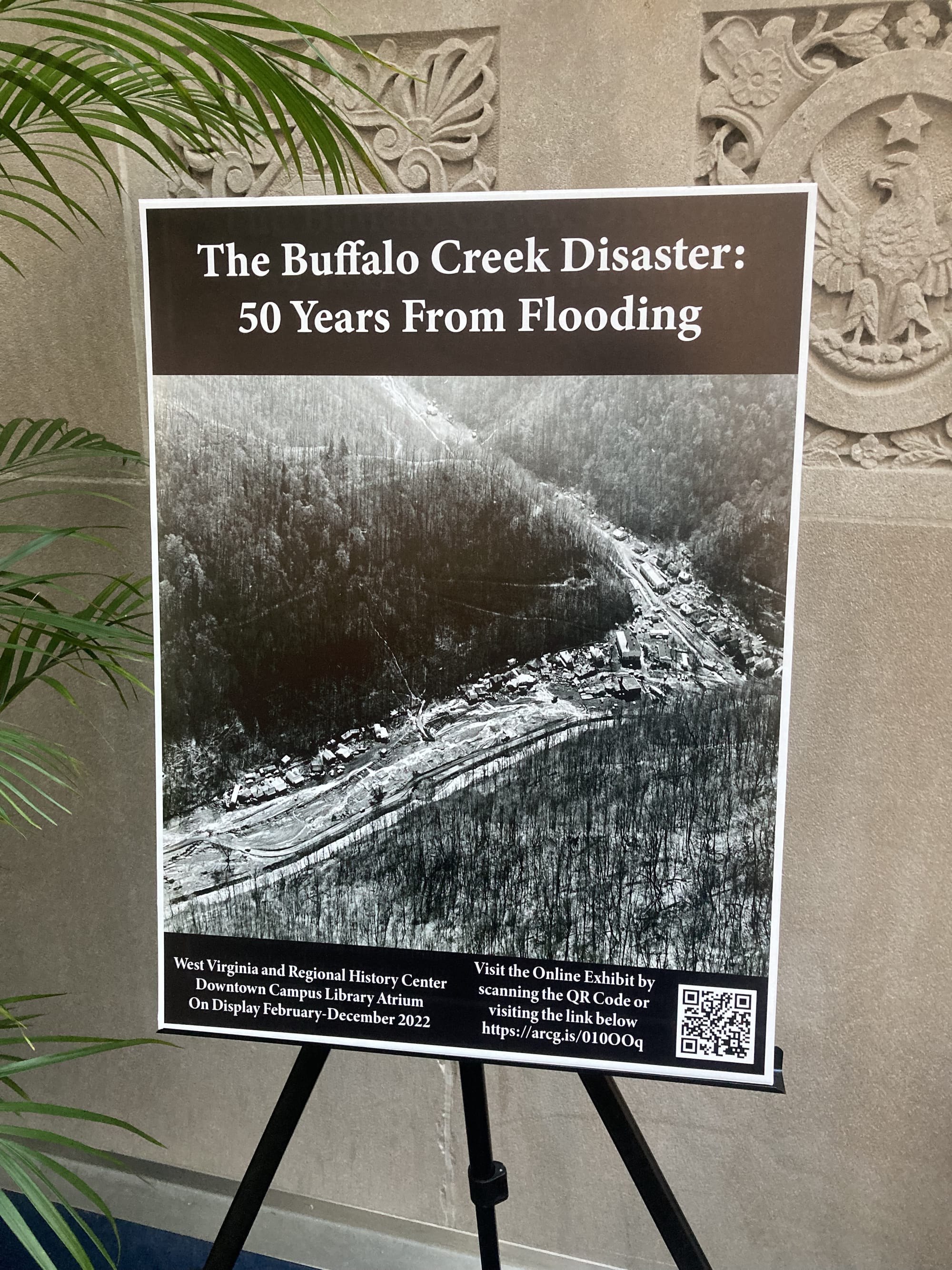
Digitization can also help with online engagement with the community – and that can be the local neighborhood, the historians who are interested, or volunteers looking to get involved. Digital exhibits are a great use of digitized materials. It allows a collection to highlight interesting objects and tell wonderful stories that can rotate and be passed around the world without necessarily having the means to visit those items. Archival items that have been digitized also make a great resource for social media engagement. Sharing a scan of a cool photograph to Instagram can be a great way to get people interested in a collection. I know I visited the Behringer-Crawford Museum recently because of an artifact that I saw on their social media page!
Deciding to digitize and knowing where to start can feel miles apart. That is why it is important to go into a digitization project with a plan. It can feel overwhelming to think about digitizing an entire organization’s worth of artifacts, so it is important to start the process with an individual project. Pick a specific collection or series of documents to begin with and create a plan. Having an inventory of the different collections and a prioritization of which collections would be most valuable to have in a digital format is incredibly helpful. This can help these projects to feel more attainable and possible.
Crafting a digitization plan is a vital beginning step to getting the project off the ground. It requires a realistic and specific project. For example, “Digitize Photos” is a far too broad project, whereas “Scan Photos in Smith Collection (appx. 400 photos)” is a specific and measurable project to begin. Then you can create a timeline, train personnel (or become acquainted with the equipment), and begin digitizing a collection with a clear path forward of what that will ideally look like.
The needed materials for a digitization project can vary. For smaller institutions or personal collections, it might make more sense to hire a digital historian or business that offers digitization services. These businesses will then have all of the equipment needed for a project and can discuss budget on a project by project basis. For larger collections or institutions who regularly accept donations, it may make more sense to invest in the equipment to live in house. A scanner is likely the largest expense associated with digitization equipment because having a quality scanner will allow for ongoing digitization. There are several notable brands for archival materials, with Epson being one of the most respected brands. Having a computer that can communicate with the scanner and run a Digital Collections Software is also important. Having a system like ArchivesSpace, Access to Memory, or ContentDM allows the digital files to live in an organized and searchable database online that can be used internally or with the public. These systems are what make digitized material truly accessible.
As a museum professional, I know that funding can be a make or break conversation around digitization projects. Thankfully, there are several funding opportunities available to collections of all sizes for these types of projects. On the national scene, the Institute of Museum and Library Services, Atla, and the Mellon Foundation all offer grants specifically for digitization. There are often state and local organizations that offer funding as well. Within my state of Ohio, there are at least three statewide programs for digital archive grants. The Ohio Local History Alliance, the Ohio Historical Records Advisory Board, and the Ohio History Connection all offer grant opportunities for Ohio based organizations looking to digitize their collections. It is wonderful to see these groups supporting the increased accessibility to historic records that digitization can bring.
If you or your organization are interested in starting the digitization process and don’t know where to start, please feel free to contact me. I would be happy to set up a consultation to create a digitization plan. You can reach me at crystal@curatingcollections.com or at 614.673.2339.