
Curating Conscience: Accepting Gifts the Right Way
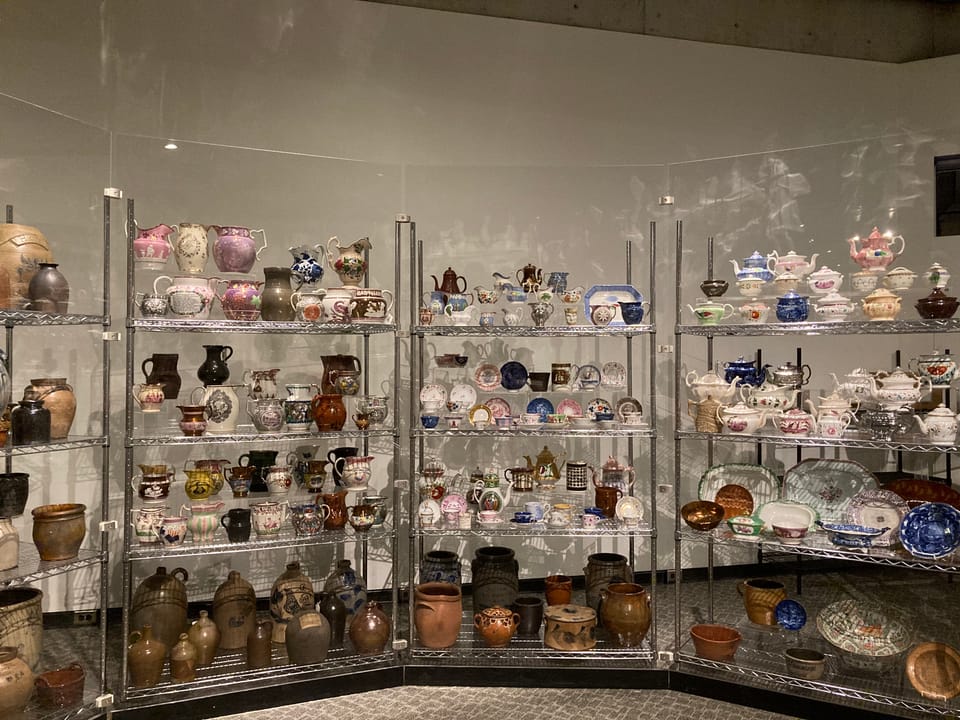
If you work in a small history museum or historical society, it is not an uncommon experience to have someone walk in, or email the site offering to donate an object, or several objects. This can be incredibly exciting! Frequently, donations are the lifeblood of small museums and historical societies. That is what builds the collection and forms the basis for exhibits and programs. The generosity of donors is wonderful. It is incredible to see people care enough about preservation to seek out places to preserve the history that they have, but museums also have an obligation to collect artifacts responsibly and ethically. Thoughtful gift acceptance and proper processes protect the collection, the institution, the items, and the historical record.
Donations are a core part of all museums and historical organizations. Many local collections exist almost entirely because of community donations and items that were given by individuals and businesses. These donations preserve family stories, local businesses and their impact in the community, organizations, and the everyday life of a neighborhood from years past. Having them in the collection and on display also strengthens community trust and engagement. By preserving and sharing these stories, museums show the community the importance of their own history and how it fits into the broader narrative of a state or national past. However, because these items become part of the historical record at these institutions, museums must think carefully about what they accept.
Unfortunately, not every gift is the right fit. At a small museum, it is a common occurrence to see one (or all!) of the following situations. Let’s imagine you are the collections manager for a small, early 19th century log home museum that focuses on local history during the American pioneer era. A local donor has been downsizing and is looking for a home for their grandfather’s World War II jacket. Their grandfather was not from the area, and did not have ties to the period of your museum. This item is outside the museum’s mission. Someone has reached out to donate a spinning wheel that does not have any specific ties to your area or any special considerations. If you already have three spinning wheels with better connections to your museum, a fourth would not add to the narrative of your space. An excited patron has 15 boxes of deteriorating film. Your museum does not have the space to store the amount of artifacts or the resources to handle these fragile materials and their needed, specialized conservation. You only have limited resources for the care of the items. A donor isn’t sure where the object came from or won’t share how it came to be in their possession. Unclear ownership or provenance is problematic within museum collections. A community member has a collection of local yearbooks, but in order to donate, they want to require that your museum keep them on permanent display. Donations with restrictions can make maintenance of a collection much harder. It is important in museum work to realize that accepting an item means committing to long-term stewardship, sometimes for decades or centuries.

For all museums and historic organizations, a collections management policy is essential. These policies provide consistent guidelines for evaluating potential donations. They help staff and volunteers make acceptance decisions that are mission-driven. They protect both the museum and the donor by clarifying expectations. A good collections management policy will include a collecting scope, outlining the specifics of what fits within the mission of the museum. Acquisition procedures include all the information about how an item needs to be donated in order to keep track of provenance, including the documentation requirements. This policy will also include the conditions under which gifts may be declined. Having a policy in place makes it easier to say “This doesn’t fit our collecting scope” rather than “We don’t want your item.”
In situations like the examples above, the art of respectfully saying no is incredibly important. In doing so, you first want to thank donors for thinking of the museum. It is valuable to see that your organization is being thought of in the community. This is the perfect time to explain the collecting scope of the organization and the limitations that come with a small museum. It is always a great idea to offer alternatives when you can. It is good practice to suggest another museum, archive, local library, or different historical organization that you know will better fit within their scope. You could also provide resources or advice on preserving the item at home. The tone and way in which an organization declines an artifact donation matters. Saying no to a gift should still leave the donor feeling valued.

Thankfully, there is a lot of ethical guidance in the museum field for creating good policies and helping historical organizations to maintain well-cared for collection and strong community relationships. The American Alliance of Museums (AAM) has a Code of Ethics for Museums, which emphasizes responsible stewardship and careful acquisitions. They also have plenty of resources on creating Collections Management Policies. Professional organizations like the AAM provide ethical frameworks that guide museum decision-making. Even very small institutions can benefit from reviewing these standards! These resources have been created by museum professionals for museum professionals. They reinforce the idea that collections are held in public trust. Take a look at some of these materials to learn more about the best practices and standards that come with collections work in the museum world.
Donations are an amazing part of the story of a museum, community, and history. Without them, our museums would be seriously lacking. Donations represent community trust. However, accepting an item means promising to preserve and interpret it responsibly. And without guidelines and specifications, it becomes impossible to manage a collection that just keeps growing. Ethical decision-making ensures collections remain meaningful, manageable, accessible, and usable. By curating with conscience, museums honor the donor’s generosity, the public they serve, and the historical artifacts within their care. The goal of a historical organization is not to collect everything. It is to collect wisely so that the stories of the past that we preserve today remain with us for the future.